Why We Only Do Photographic Safaris
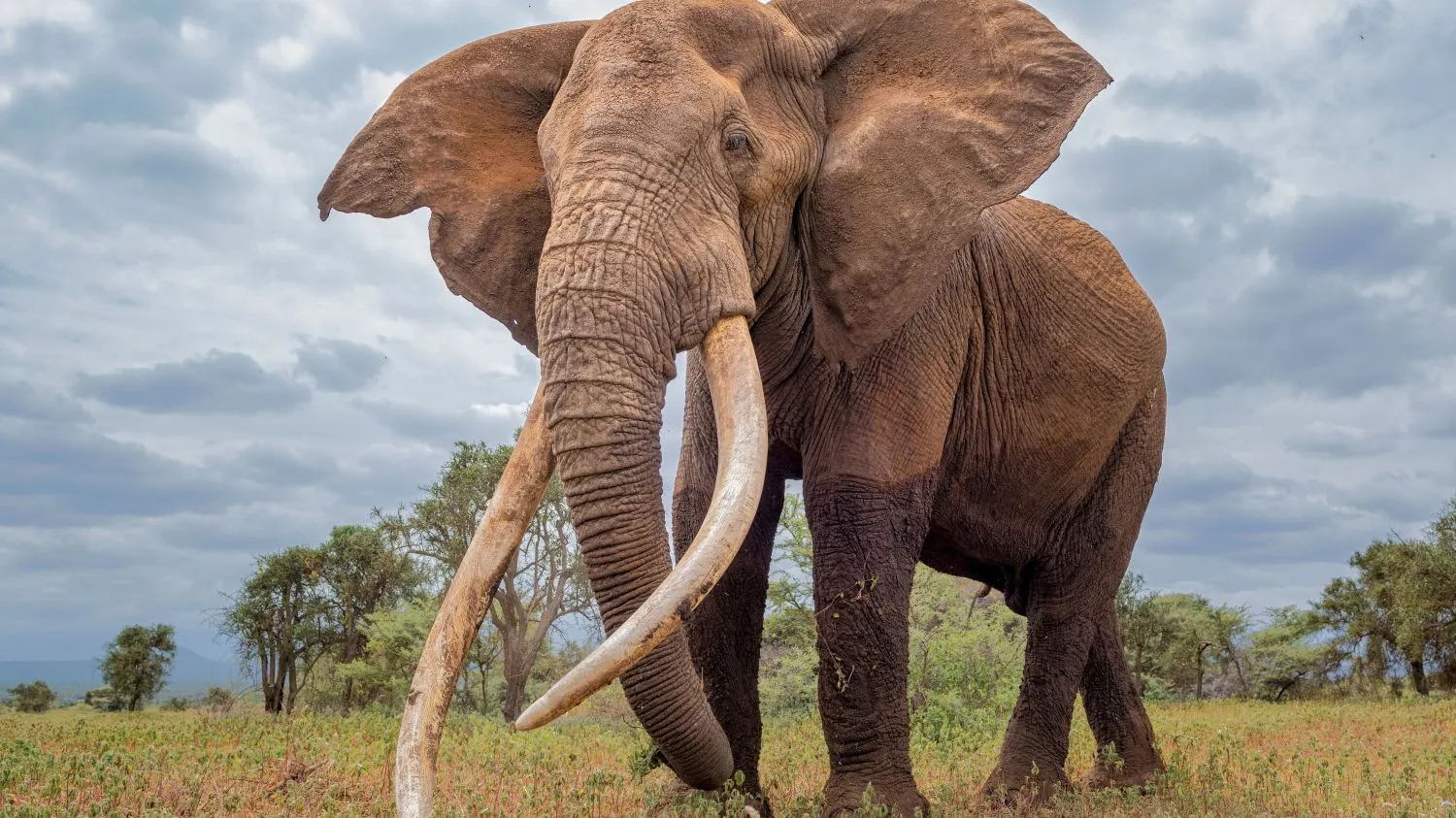
Let’s hunt for great memories, not wall trophies
Tanzania’s trophy hunting industry is back in the news. A viral video of American hunters posing with a dead crocodile reignited a debate that never really went away. The government has since reaffirmed it has no plans to restrict the practice. The economic arguments are familiar: hunting blocks generate revenue, some of which funds anti-poaching operations and benefits local communities.
We are not condemning Safari Tour Operators or officials who think differently. This is just our policy and we think that we should explain it. We understand the arguments made for trophee hunting. We just don’t support the conclusion.
The animals at the centre of this debate
The species most targeted by trophy hunters in Tanzania are the same ones that define the safari experience: elephants, lions, leopards, rhinos, buffalos. These are not incidental. Hunters pay the highest fees for the most iconic animals — the ones with the longest lives, the deepest social bonds, and the greatest ecological role in their ecosystems.
A pride male lion killed for a trophy leaves a pride vulnerable. Rival males move in, cubs are killed, and the pride’s structure collapses. A matriarch elephant carries decades of learned knowledge about water sources, migration routes, and threats — knowledge that dies with her. A black rhino, of which fewer than 6,000 remain worldwide, is worth more to conservation alive than any permit fee can justify.
The logic of trophy hunting — that killing individual animals funds the protection of the species — has always been fragile. At current population levels for several of these species, it is indefensible.
What we believe
We believe that the value of a living wild animal exceeds the value of a dead one, in every meaningful sense.
We believe that Tanzania’s wildlife is an inheritance — not a resource to be drawn down for short-term revenue.
We believe that photographic tourism, done right, generates more sustainable income for local communities than trophy hunting does, without the irreversible cost.
And we believe that operators have a responsibility to say so clearly, rather than staying quiet to avoid controversy.
What this means in practice
Every safari Jumbo Trails operates is photographic. Our guests come to observe, to learn, and to leave with memories and images — nothing else. We work with camps and guides who share this ethic. We do not book hunting concessions. We do not compromise on this.
Tanzania is one of the last places on earth where you can watch a lion hunt at dusk, follow a breeding herd of elephants through the bush, or sit in silence while a leopard moves through the trees above you. That experience is worth protecting. It is also, frankly, a better product than a trophy tusk on the wall of a wealthy hunter.
If you are looking for a photographic safari in Tanzania built around that kind of encounter, get in touch. We would be glad to build one for you.