Climb Mount Kilimanjaro with us
Map of Kilimanjaro
Tap to enlarge map
Climbing Mount Kilimanjaro
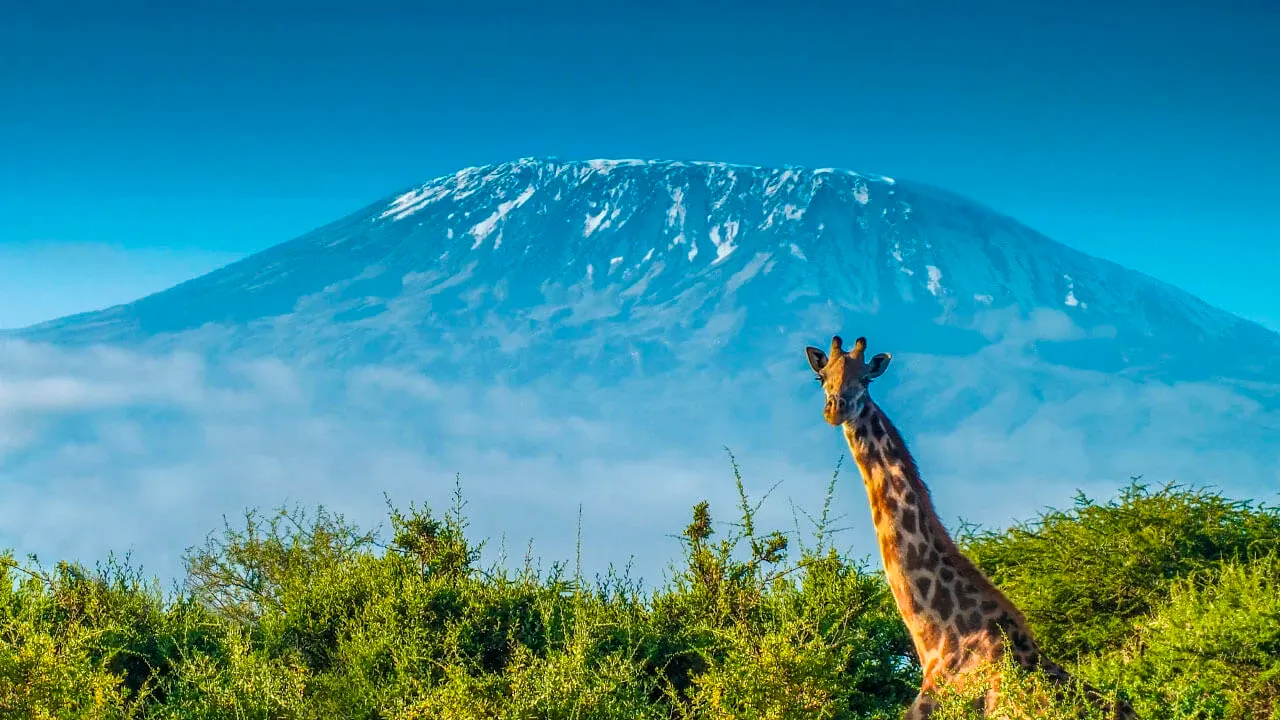
At 5,895 metres, Kilimanjaro is the highest point on the African continent. It stands alone — no range, no foothills to speak of, just the mountain rising out of the plains of northern Tanzania until the summit disappears into cloud or glaciers depending on the day.
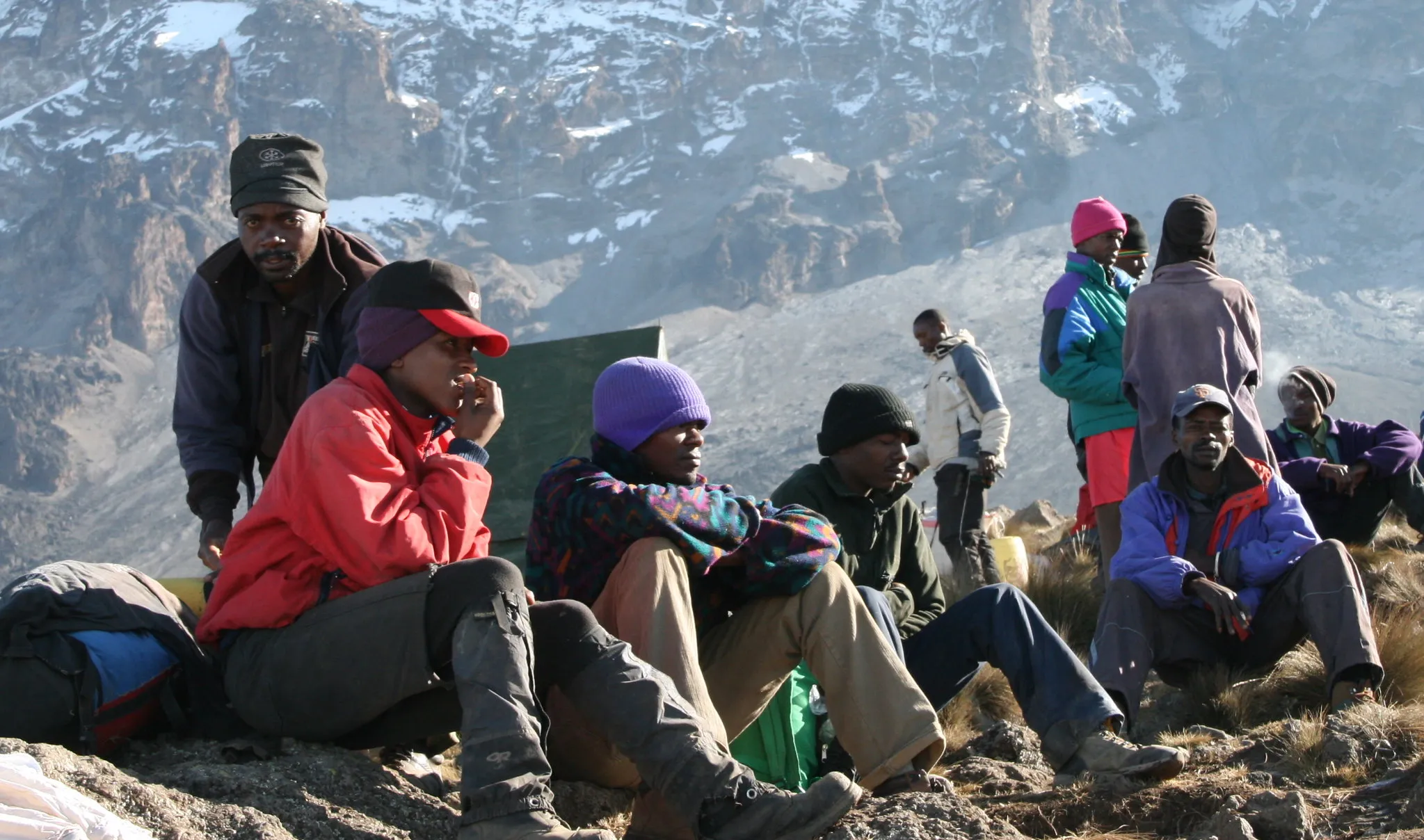
Most people who climb it are not mountaineers. No ropes, no technical skills, no previous high-altitude experience required. What it takes is time, patience, and the willingness to go very slowly for several days in a row.
The Swahili phrase you’ll hear constantly on the mountain is pole pole — slowly, slowly. It is not just advice. It is the entire strategy.
What the Climb Is Actually Like
Kilimanjaro is a long walk at high altitude. That sounds reductive but it’s accurate — and it’s important to understand, because both parts of that sentence matter.
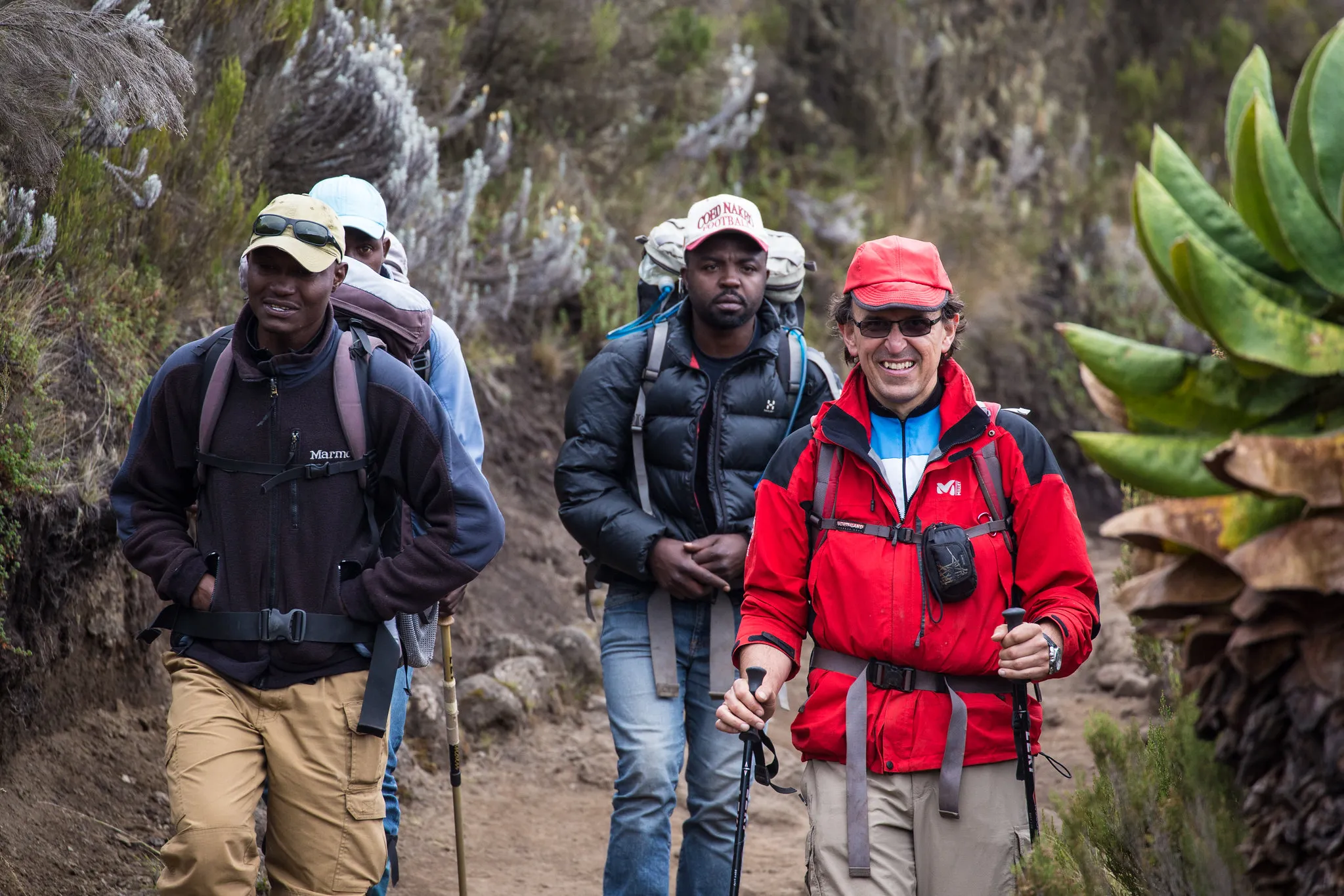
The walking is not technically difficult. The trails are clear, the terrain is manageable, and your guide sets a pace that is slower than you think you need. The altitude is the challenge. Above 4,000 metres the air thins noticeably, sleep becomes harder, appetite drops, and your body is working to adjust to conditions it wasn’t built for. Some people feel it barely. Others feel it significantly. Almost nobody is unaffected.
The mountain takes you through five distinct climate zones on the way up — rainforest, moorland, alpine desert, high desert, and the arctic zone near the summit. Each day looks and feels completely different from the last. That variety is one of the things that makes the climb extraordinary.
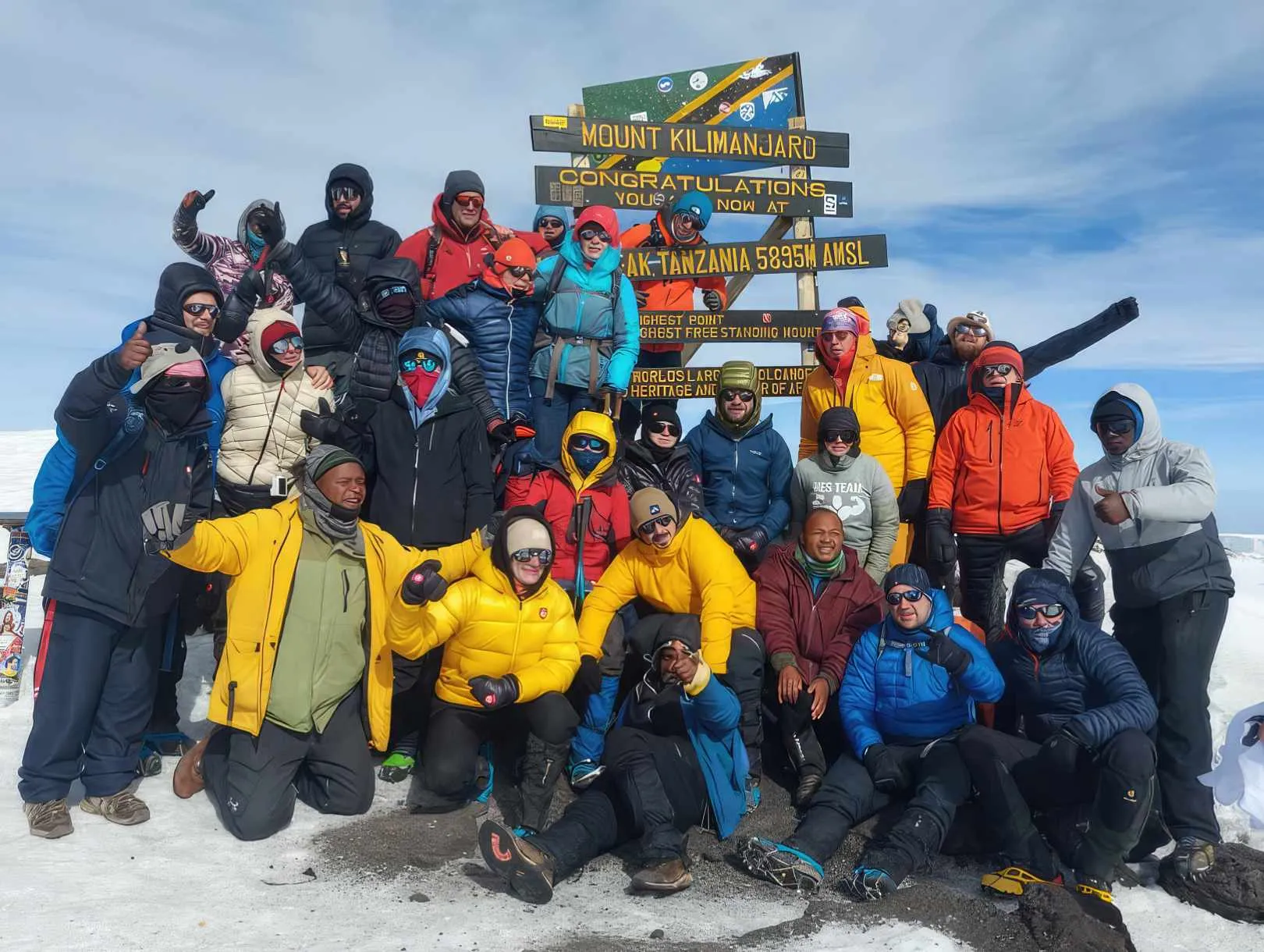
Summit night starts around midnight. You climb in the dark, in the cold, slowly, for five to seven hours. You reach Uhuru Peak at sunrise. The light comes up over the clouds below you and the glaciers behind you and the entire African continent stretches out in every direction.
It is worth every slow step to get there.
The Routes
There are five main routes. They differ in length, scenery, crowd levels, and — most importantly — acclimatization profiles. The longer the route, the more time your body has to adjust, and the higher your chances of reaching the summit.
Lemosho Route — 7 to 8 days Our first recommendation for most climbers. Approaches from the west through pristine forest, quieter than Machame, excellent acclimatization. Joins the southern circuit above the Shira Plateau with long views in every direction. One of the most scenic routes on the mountain.
Machame Route — 6 to 7 days The most popular route on the mountain, and popular for good reason. Dramatic and varied terrain, good acclimatization with the high-camp-drop profile, strong summit success rates on the 7-day option. Busier at peak season but well-run. Called the Whiskey Route — make of that what you will.
Northern Circuit — 8 to 9 days The longest route and the highest summit success rate on the mountain. Traverses the remote northern slopes that most climbers never see. Very few people, exceptional scenery, the most gradual acclimatization of any route. If you have the time, this is the one.
Rongai Route — 6 to 7 days Approaches from the north, from the Kenyan border side. Drier conditions, gentler gradients, significantly fewer climbers. A good option for people who prefer quieter trails and don’t mind a slightly less dramatic landscape on the ascent.
Marangu Route — 5 to 6 days The only route with hut accommodation instead of tents. Shorter, more comfortable in some ways, and the most accessible entry point in terms of cost. The tradeoff is compressed acclimatization and the lowest summit success rate of any route. If time is genuinely limited, it’s a valid option — but go in with clear expectations.
Altitude: The Honest Version
The summit of Kilimanjaro is high enough that altitude affects almost every climber in some way. Headache, fatigue, disrupted sleep, reduced appetite — these are normal responses above 3,500 metres and not a reason to turn back on their own.
Acute Mountain Sickness (AMS) is different. Confusion, loss of coordination, severe headache that doesn’t respond to rest or hydration, fluid in the lungs — these are serious and mean descending immediately.
The single most effective thing you can do to avoid serious altitude problems is choose a longer route. Seven days minimum. Eight is better. The extra days are not luxury — they are the margin between a successful summit and turning back at 4,800 metres feeling terrible.
Your guide will monitor you throughout the climb. We use pulse oximeters to track blood oxygen levels at every camp. We carry supplemental oxygen. We take this seriously.
The Five Climate Zones
Rainforest (800–2,800m) Dense, green, and humid. Colobus monkeys in the canopy. Birdsong. The trail is shaded and soft underfoot. Warm enough for light layers.
Moorland (2,800–4,000m) The trees thin and the sky opens. Giant heathers, giant groundsels, lobelias the size of a person. The landscape starts to feel genuinely otherworldly. Temperatures drop at night.
Alpine Desert (4,000–5,000m) Rock and dust and thin air. Almost nothing grows here. The mountain starts to feel serious. The views back down are extraordinary.
Arctic Zone (5,000m–summit) Snow, ice, and the glaciers. Thin air, cold wind, and the summit crater above you. This is where the climb becomes a matter of will and pace.
When to Climb
Kilimanjaro can be climbed year-round. Two seasons offer the most reliable conditions.
January – March: Clear skies, cold nights, good visibility. The mountain is quieter than peak season. Our preferred window for photographers — the light at high altitude in February is exceptional.
July – October: Dry season, colder temperatures especially at altitude, high demand. The busiest period on the mountain, particularly August. Book well in advance.
April – May and November: The rainy seasons. The mountain is green and atmospheric, the trails are quieter, and rates are lower. Summit days are less predictable but the experience has a rawness to it that some people prefer.
What’s Included
Every Kilimanjaro climb we run includes:
- Experienced licensed guides and a full porter team
- All camping equipment — sleeping tents, dining tent, toilet tent
- All meals on the mountain and purified drinking water
- National park fees and rescue fund levy
- Supplemental oxygen and pulse oximeters
- Transfers between Arusha and the park gate
You bring your personal gear, your training, and your patience. We handle everything else.
Preparation
You do not need to be an athlete. You need to be reasonably fit and comfortable with several consecutive days of walking.
The best preparation is hiking — specifically, multi-day hiking with elevation gain if you can access it. If not, long walks with a loaded pack on consecutive days will serve you well. Cardiovascular fitness helps. Strong legs help more.
Train for the duration, not the intensity. The summit push is not hard because it’s steep. It’s hard because it comes at the end of seven days at altitude, starting at midnight, with tired legs.
Come prepared to go slowly. That is the whole game.
Combine With a Safari
Many climbers add a safari before or after the mountain. Ending a Kilimanjaro climb with three or four days in the Serengeti or Ngorongoro Crater is a near-perfect trip structure. The contrast is part of it — from the cold and altitude and effort of the mountain to a Land Cruiser at dawn watching lions.
We plan both, seamlessly. One team, one conversation, no hand-offs between operators.