10 Days Tanzania: The Northern Circuit - Budget
10 Days Tanzania: The Northern Circuit - Budget
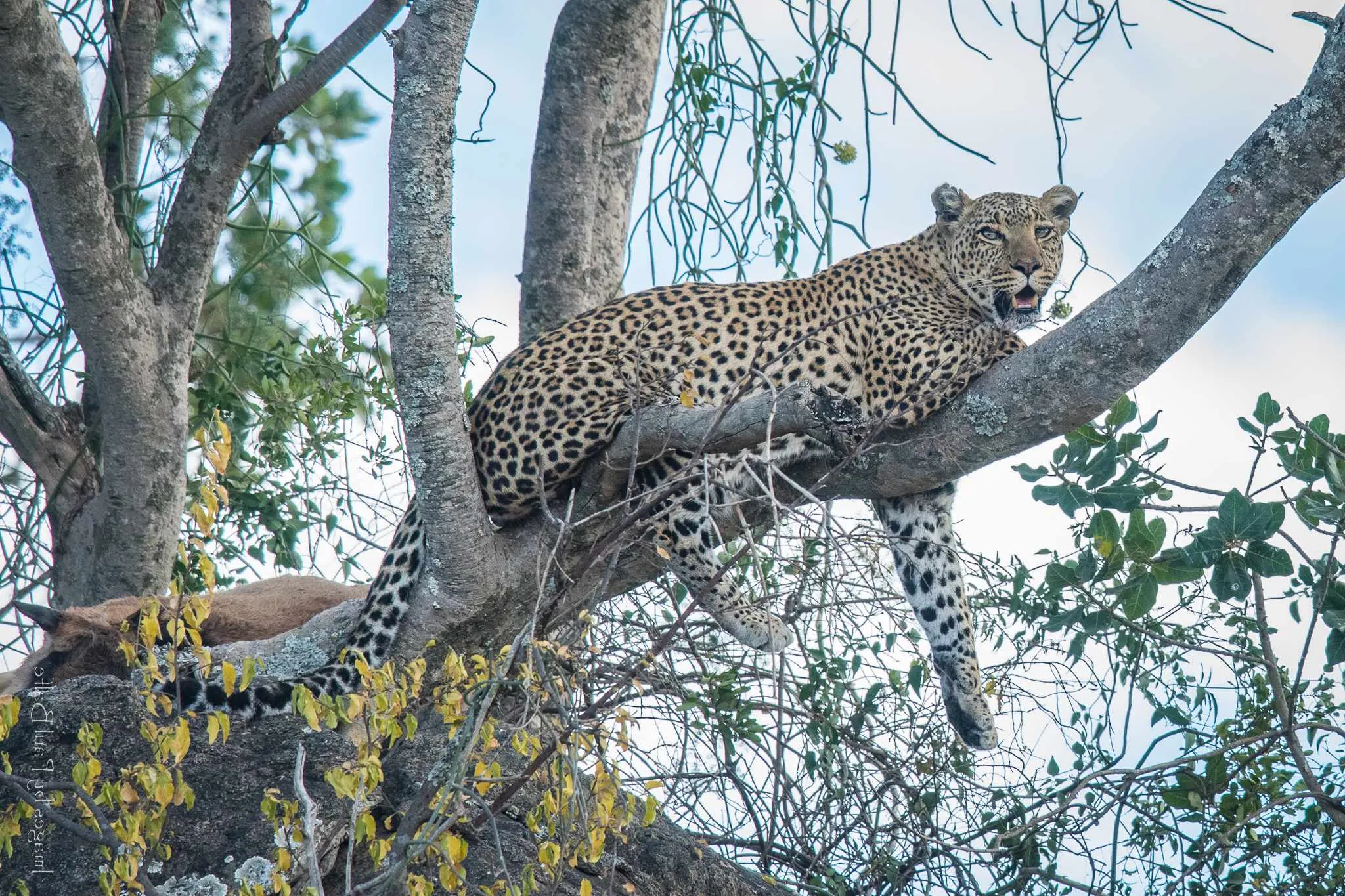
You wake up inside the Serengeti. Not near it — inside it. The sounds that pulled you out of sleep were not a hotel generator or a distant road. They were lions in the distance. Or the armed guards walking around the camp. Or a zebra moving through camp at 3am, close enough that you could hear it breathing.
That is what camping on this circuit gives you that no lodge can. Proximity. The bush at night, unfiltered.
Four parks, ten days, public campsites inside the parks where allowed — and the same game drives, the same guide, the same roads as any other version of this trip. The wildlife does not rearrange itself based on accommodation category. What changes is what happens after the drive ends and the fire gets lit.
Day 1 – Arrival in Arusha
You land at Kilimanjaro International Airport. Your driver is waiting — shared transfer with other arriving guests if schedules align, private if not. Either way, you’re at your Arusha guesthouse within the hour.
The briefing happens over dinner or breakfast the next morning. A real conversation, not a printed sheet — what to expect, what to wear, what to leave in the bag.
Arusha is a proper city. The food is good and cheap, the coffee is excellent, and the market near the clock tower is worth an hour if you arrive with daylight left.
Day 2 – Arusha → Tarangire National Park
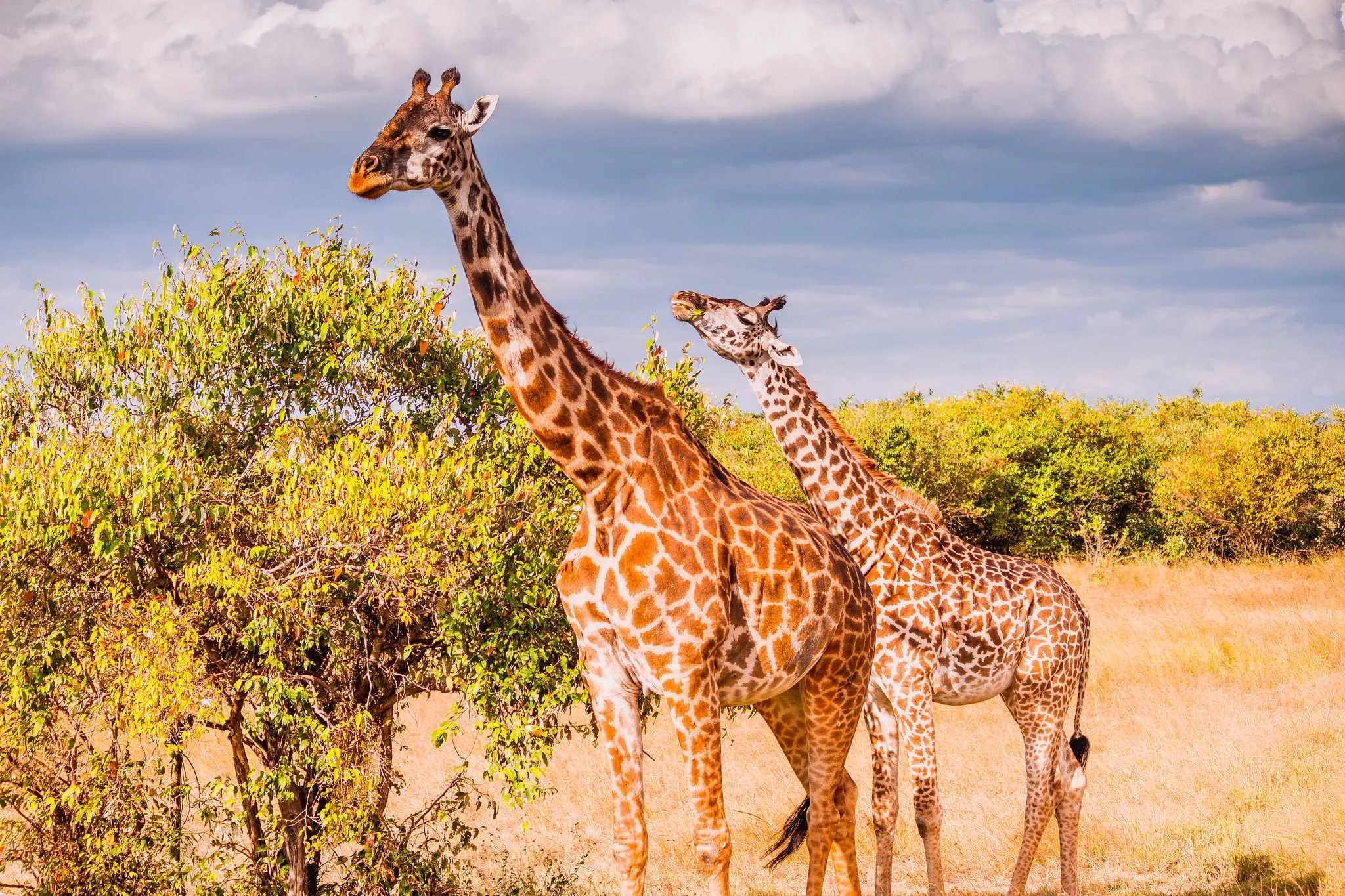
A 2.5-hour drive south. The baobabs appear before the gate does, and then the elephants start. Tarangire is one of the most underrated parks in Tanzania — less famous than the Serengeti, which means fewer vehicles on the same tracks.
Afternoon game drive on arrival. Camping inside the park means animals pass through at night. You will hear things. That is part of it.
The public campsites have basic facilities: long-drop toilets, a water point, cold showers at some sites. You bring your kit, we bring the food, the cook, and the fire.
Day 3 – Tarangire → Lake Manyara National Park
Short drive to Lake Manyara. The park is compact — a few hours covers the main circuits — but the density of wildlife relative to its size is worth the entry fee without question.
The tree-climbing lions are real. The flamingos on the alkaline lake are real. The groundwater forest at the entrance is genuinely strange and beautiful — fig trees with roots like architecture.
Overnight in Mto wa Mbu, the village at the park gate. Good local restaurants here, cold beer, and one of the best informal fruit markets in the region.
Day 4 – Lake Manyara → Serengeti National Park
Today is a long drive — allow five to six hours behind the wheel. The road climbs out of the Rift Valley and up through the Ngorongoro highlands, crosses Maasai farmland, and then descends onto the plain. It’s a full transit day and should be treated as one.
When the trees stop and the Serengeti opens up in every direction, you will understand why people keep coming back.
The road through the park to Seronera is itself a game drive. The game starts at the gate.
Seronera is in the centre of the Serengeti, which means it’s always in the middle of something. Camping here is as wild as camping gets on this circuit.
Day 5 & 6 – Serengeti National Park
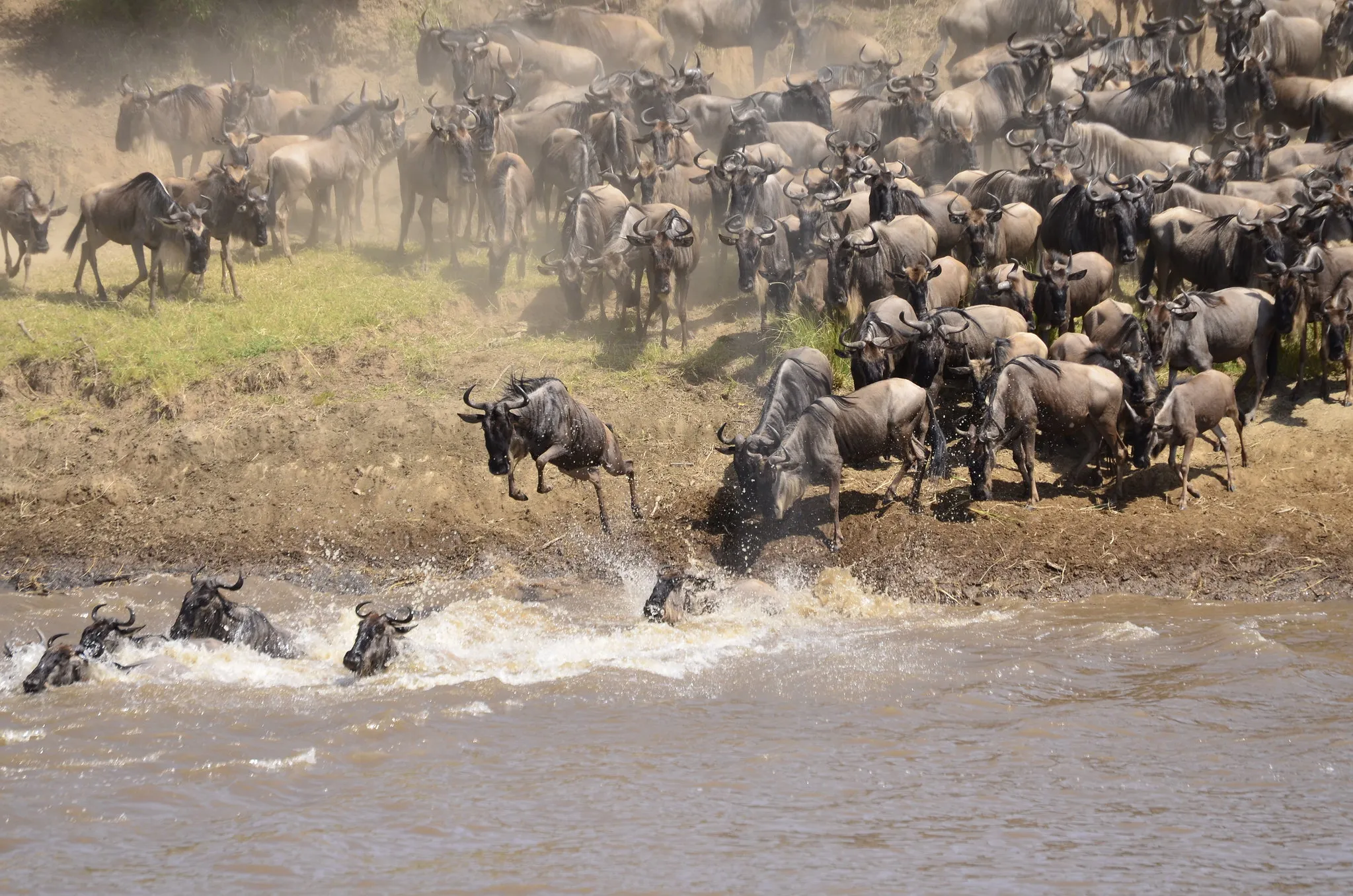
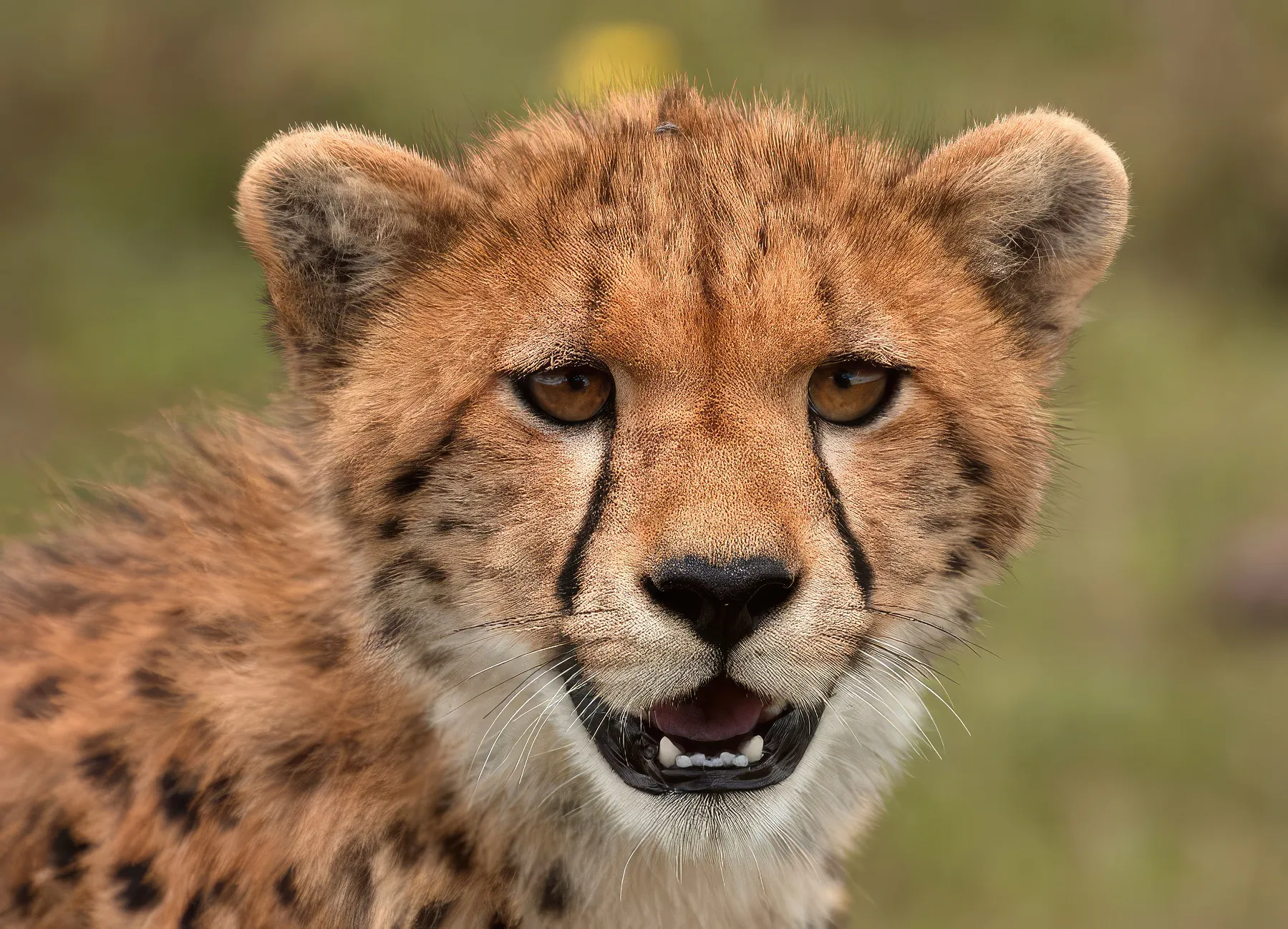
Two full days. Early starts — 6am or before — because that’s when it works. Lions on a kill. Cheetah moving before the heat builds. Elephants at a waterhole that doesn’t have ten other vehicles around it yet.
Bush breakfast from the cooler box: fruit, sandwiches, thermos of coffee. Eaten somewhere quiet, out of the vehicle.
Back to camp for lunch and shade through the midday heat. Out again at 4pm as the light goes gold. Sundowners from the roof hatch of the Land Cruiser watching something you’ll try to describe later and find you can’t quite get it right.
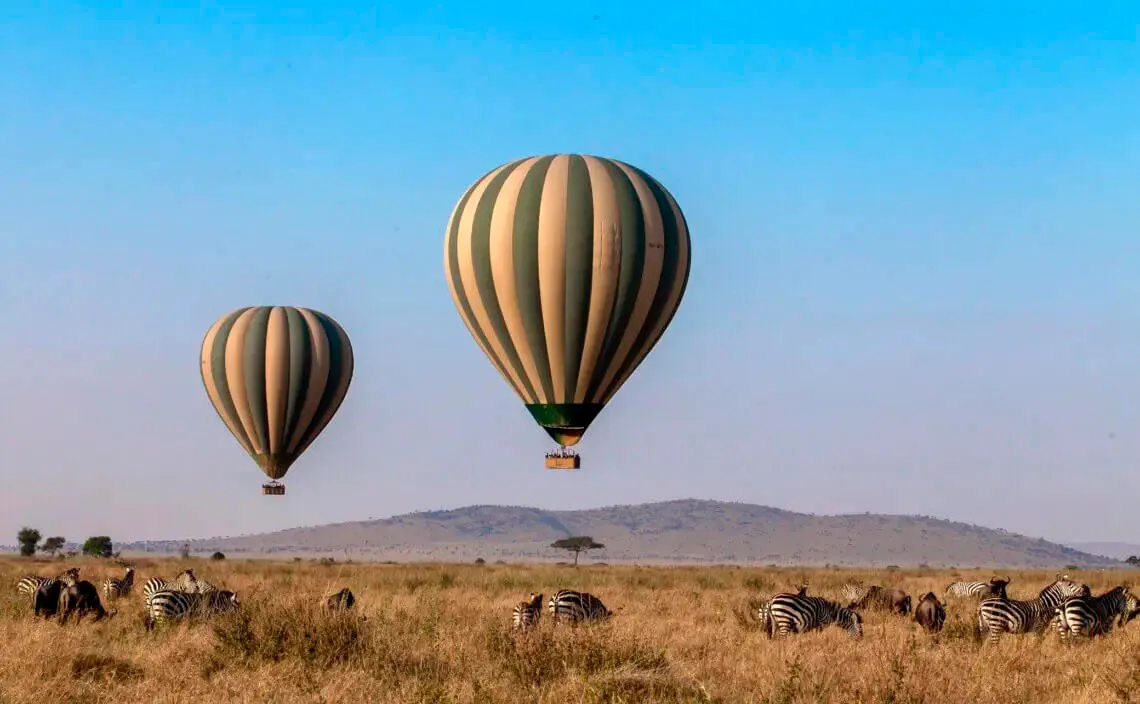
If you want to add the hot air balloon flight — this is when it happens. It costs extra and is worth it. We’ll talk you through it.
Day 7 – Serengeti → Ngorongoro Conservation Area
Morning game drive before breaking camp. The Serengeti earns its goodbye.
Drive to Ngorongoro. The road climbs back into the highlands, the air cools, and then you reach the rim. On a clear evening the crater reveals itself — 260 square kilometres of sealed ecosystem, the far wall 20km away.
Simba A campsite sits on the crater rim. Cold at night. Worth it for the morning.
Day 8 – Ngorongoro Crater
Down at first light. The descent track through the forest takes 20 minutes, then the floor opens up — grassland, marsh, soda lake, acacia woodland, all enclosed by walls 600 metres high.
The Big Five are all here. The black rhino population is one of the last viable wild populations in Tanzania — sightings happen here more reliably than almost anywhere else in the country.
Picnic lunch on the crater floor. The hippo pools are the spot. Afternoon drive before the ascent.
Tonight in Karatu — a proper bed, a hot shower, and a meal that isn’t cooked on a camp stove. All of these things will feel significant.
Day 9 – Karatu → Arusha
Breakfast at the guesthouse. No rush. The drive back to Arusha takes about 3.5 hours through the same highland scenery — different now that you know what’s behind you.
Afternoon in Arusha. The city market, the cultural heritage centre if you haven’t been. One last good meal. If you want a final evening out, Arusha has decent bars and live music on weekends. Ask us — we know which ones.
Day 10 – Departure
Transfer to Kilimanjaro Airport for your international flight.
If you’re adding Zanzibar — a domestic flight from KIA costs around USD 80–120 one way — we’ll have sorted the connection long before this morning. Three or four nights on the island is the right amount.
A note on what budget actually means here
Public campsites are basic. Cold showers, long-drop toilets at some sites, none at others. Animals that walk through camp at night are not a selling point for everyone — they are for some people, which is who this trip is for.
The wildlife is identical to the mid-range and luxury versions. If camping isn’t for you, the mid-range itinerary uses permanent tented camps with proper beds and en-suite bathrooms. Ask us and we’ll send it across.
Key Facts
| Feature | Details |
|---|---|
| Duration | 10 days / 9 nights |
| Best Season | June – October (dry season) or January – March (calving season) |
| Parks Visited | Tarangire, Lake Manyara, Serengeti, Ngorongoro |
| Transport | Shared 4×4 Land Cruiser with pop-up roof (max 6 guests) |
| Accommodation | Public campsites inside parks + budget guesthouses |
| Sleeping Bag | Bring your own or hire in Arusha (~USD 10) |
| Extensions | Zanzibar, Lake Natron, Arusha National Park |
| Price | From USD 250 per person per day — final price depends on group size and season. Minimum 2 guests. Larger groups pay less per person; peak season (July–October) costs more due to higher park fees. Contact us for a quote based on your dates and party size. |
What’s Included
- Transport in a shared 4×4 safari vehicle with a professional driver-guide
- Guided game drives (morning, afternoon, or full-day depending on itinerary)
- Accommodation in budget lodges, campsites, or permanent tented camps
- Park and conservation fees / national park entry permits
- Transport in a 4×4 safari vehicle with a professional driver/guide
- Fuel for the vehicle during game drives
- Meals during safari days, incl. fresh picnic lunches
- Bottled or drinking water during game drives
- Binoculars
- Airport pick-up / drop-off
- Government taxes and levies
What’s Not Included
- International flights
- Visa fees for entry into the safari country
- Travel insurance / medical evacuation (unless explicitly stated)
- Tips for guides, drivers, camp staff, and porters
- Alcoholic drinks, soft drinks, and premium beverages (unless “all-inclusive” package)
- Optional activities not listed in the itinerary (e.g. hot air balloon rides, walking safaris, night drives)
- Laundry, phone calls, and personal expenditures
- Vaccinations or malaria prophylaxis / medication
- Emergency medical evacuation / AMREF coverage
- Domestic flights (unless stated in the package)