8 Days — Tarangire, Lake Manyara, Serengeti & Ngorongoro — Mid-Range
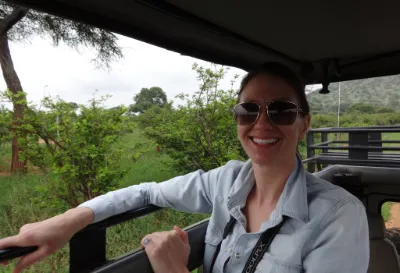
8 Days — Tarangire, Lake Manyara, Serengeti & Ngorongoro — Mid-Range
Four parks, eight days, one continuous journey through the northern circuit. Each park is completely different from the last — Tarangire’s ancient baobabs and elephant herds, the compact drama of Lake Manyara, the vast open plain of the Serengeti, and finally the Ngorongoro Crater dropping away below the rim road as you arrive. Tanzania does not repeat itself.
This is the trip that covers the ground properly. Not rushed, not padded — just the right amount of time in each place.
Day 1 – Arrival in Arusha
You land at Kilimanjaro International Airport. Our team meets you at the gate, transfers you to your hotel in Arusha, and sits down with you for a proper safari briefing — what to expect, what to look for, how the next eight days will unfold.
Rest. The bush starts tomorrow.
Day 2 – Arusha → Tarangire National Park
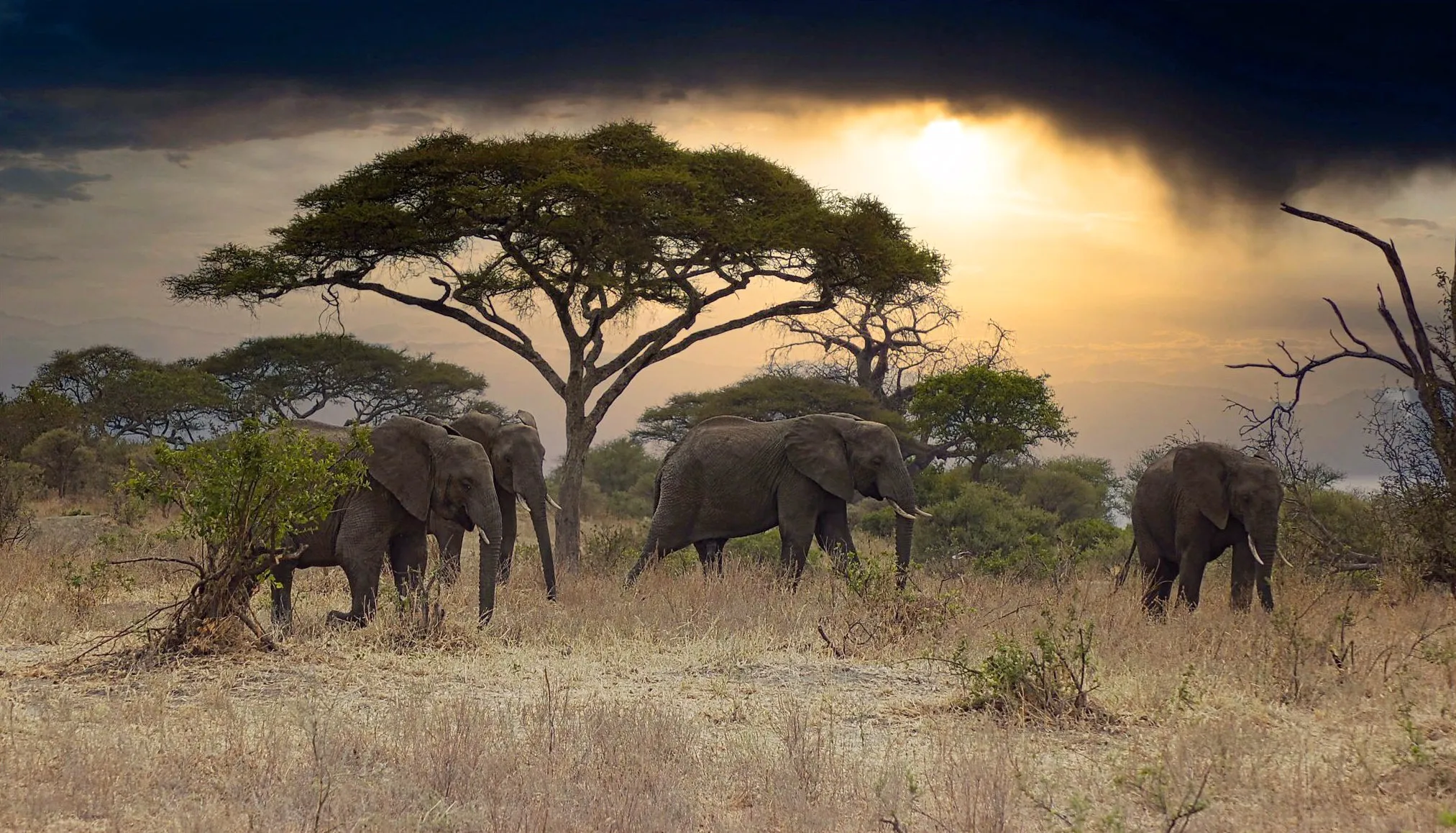
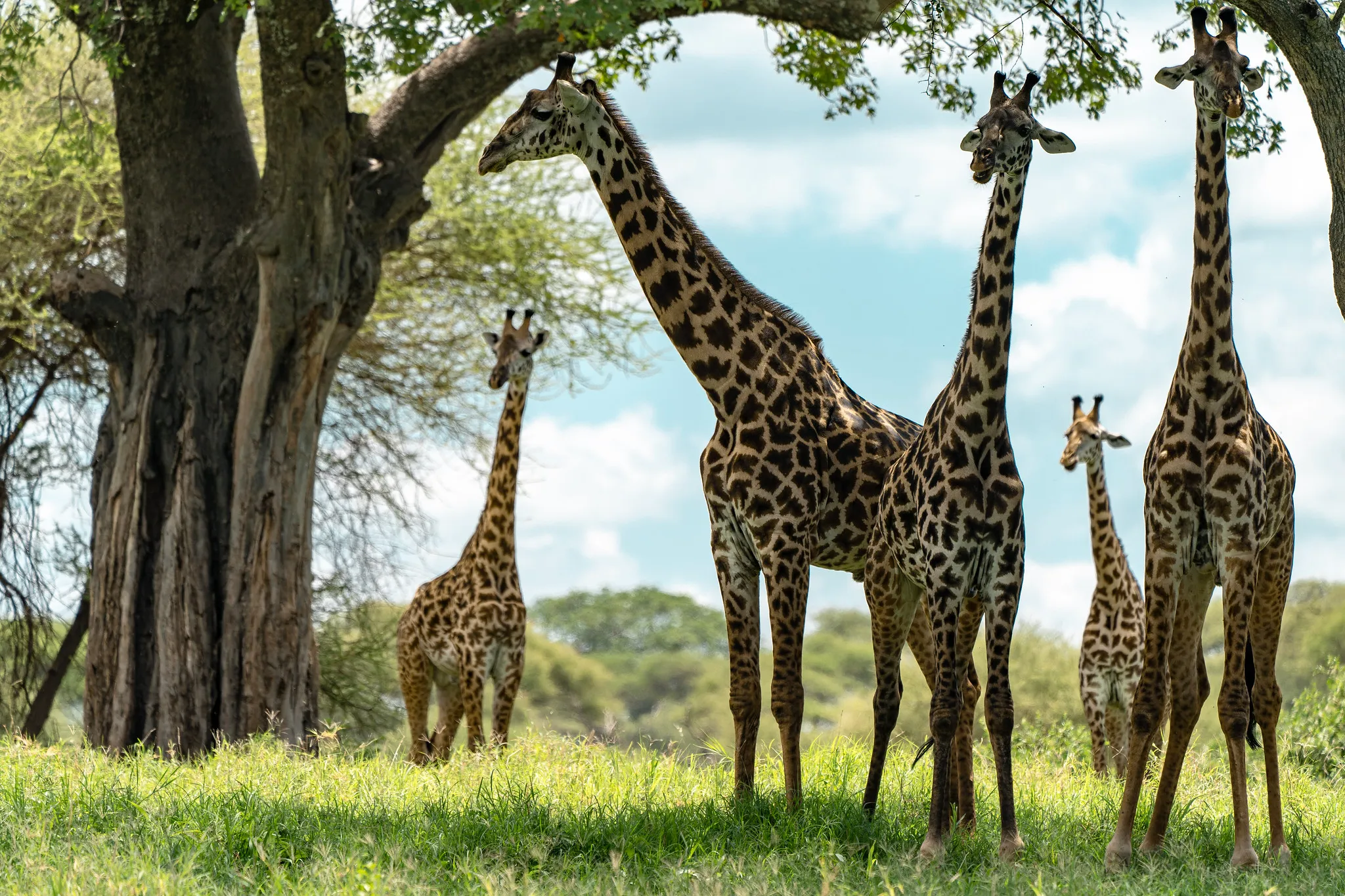
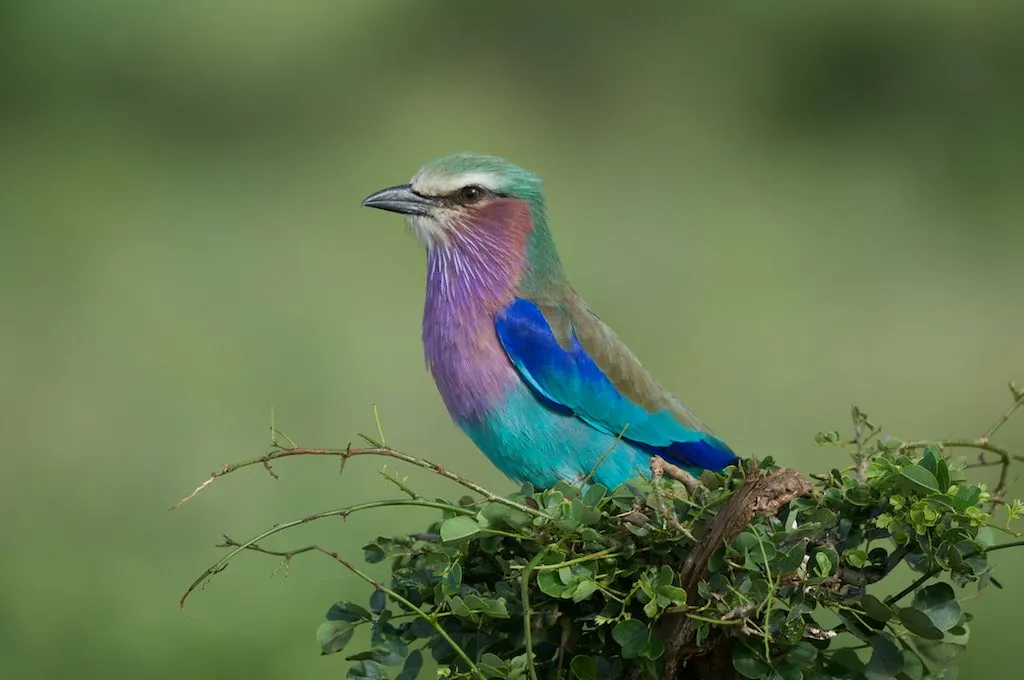
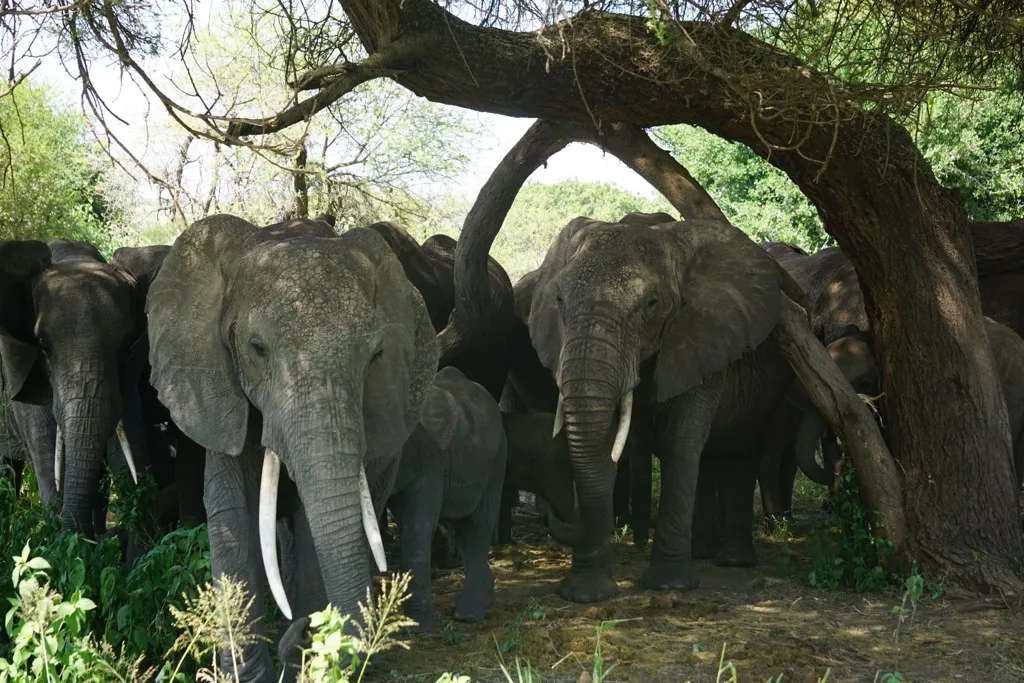
A 2.5-hour drive south brings you to Tarangire and your first game drive. The park announces itself with baobabs — ancient, enormous, scattered across the landscape like they’ve always been there — and then the elephants start appearing. In the dry season, herds of fifty or more gather along the Tarangire River. Lions, giraffe, buffalo, leopard. Over 500 bird species.
Tarangire is the opener that sets the tone. It does that job very well.
Day 3 – Tarangire → Lake Manyara National Park
A morning game drive in Tarangire before the short drive to Lake Manyara. The ecosystem here is compact but remarkably diverse — dense groundwater forest, open floodplain, and the alkaline lake edge where flamingos gather in numbers that turn the shoreline pink.
Manyara’s tree-climbing lions are famous and genuinely unusual — lions that rest in the branches of fig and acacia trees, something rarely seen elsewhere. The afternoon light on the lake is extraordinary. Overnight in the Manyara or Karatu area, well positioned for the drive to the Serengeti tomorrow.
Day 4 – Lake Manyara → Serengeti National Park
The long drive today, but one of the great drives in East Africa. The road climbs through the Ngorongoro highlands, winding through Maasai farmland and forest, before descending onto the Serengeti plain. The moment the tree line breaks and the grassland takes over in every direction is one of those arrival moments that stays with you.
Afternoon game drive on the way to camp.
Day 5 & 6 – Serengeti National Park
Two full days. Morning drives when the predators are active and the light is low and golden. A full day into the field with a bush lunch and no fixed route. A sundowner on a kopje watching the plain go dark.
The Serengeti rewards patience. We give you the time to have it. Where in the park depends on the season — central Seronera for year-round predator action, north for the river crossings between July and October. Your guide tracks the herds and positions you accordingly. If you want the hot air balloon, this is when it happens — book it before you arrive.
Day 7 – Serengeti → Ngorongoro Crater → Karatu
A final morning game drive in the Serengeti before driving east to the Ngorongoro Conservation Area. The road climbs back into the highlands through Maasai grazing land. Down into the crater at last light for a full day on the floor tomorrow.
Overnight in the Karatu area — slightly lower altitude, warmer, good lodge options.
Day 8 – Ngorongoro Crater → Arusha → Departure
Down into the crater at first light, before the day warms up and the animals settle into shade. The caldera is 260 square kilometres of grassland, marsh, and acacia woodland enclosed by walls 600 metres high. The Big Five are all here. The black rhino population is one of the last viable wild groups in Tanzania — sightings are never guaranteed, but this is where they happen.
Picnic lunch on the crater floor, then the ascent and the drive back to Arusha for your international flight. If you’re connecting to Zanzibar, the domestic flight goes via Kilimanjaro or Dar es Salaam — we’ll advise on the best routing.
Key Facts
| Feature | Details |
|---|---|
| Duration | 8 days / 7 nights |
| Starting Price | USD 510 per person per day (mid-range) |
| Best Season | June – October (dry season); December – March (calving season) |
| Parks Visited | Tarangire, Lake Manyara, Serengeti, Ngorongoro |
| Transport | Private 4×4 Land Cruiser with pop-up roof |
| Extensions | Zanzibar, Lake Eyasi & the Hadza, Arusha National Park |
What’s Included
- Accommodation (lodges, tented camps, or hotels)
- Transport in a 4×4 safari vehicle with a professional driver/guide
- Fuel for the vehicle during game drives
- Park and conservation fees / national park entry permits
- Guided game drives (morning, afternoon, or full-day depending on itinerary)
- Bottled or drinking water during game drives
- Meals during safari days, incl. fresh picnic lunches
- Airport pick-up / drop-off
- Binoculars
- Local taxes and government levies
- Some itineraries cover meals, cultural visits, or walking safaris
What’s Not Included
- International flights
- Visa fees for entry into the safari country
- Travel insurance / medical evacuation
- Tips for guides, drivers, camp staff, and porters
- Alcoholic drinks, soft drinks, and premium beverages
- Optional activities not listed in the itinerary (e.g. hot air balloon rides, walking safaris, night drives)
- Laundry, phone calls, and personal expenditures
- Vaccinations or malaria prophylaxis / medication
- Emergency medical evacuation / AMREF coverage
- Domestic flights (unless stated in the package)