14-Day Kenya–Tanzania Great Migration - mid range
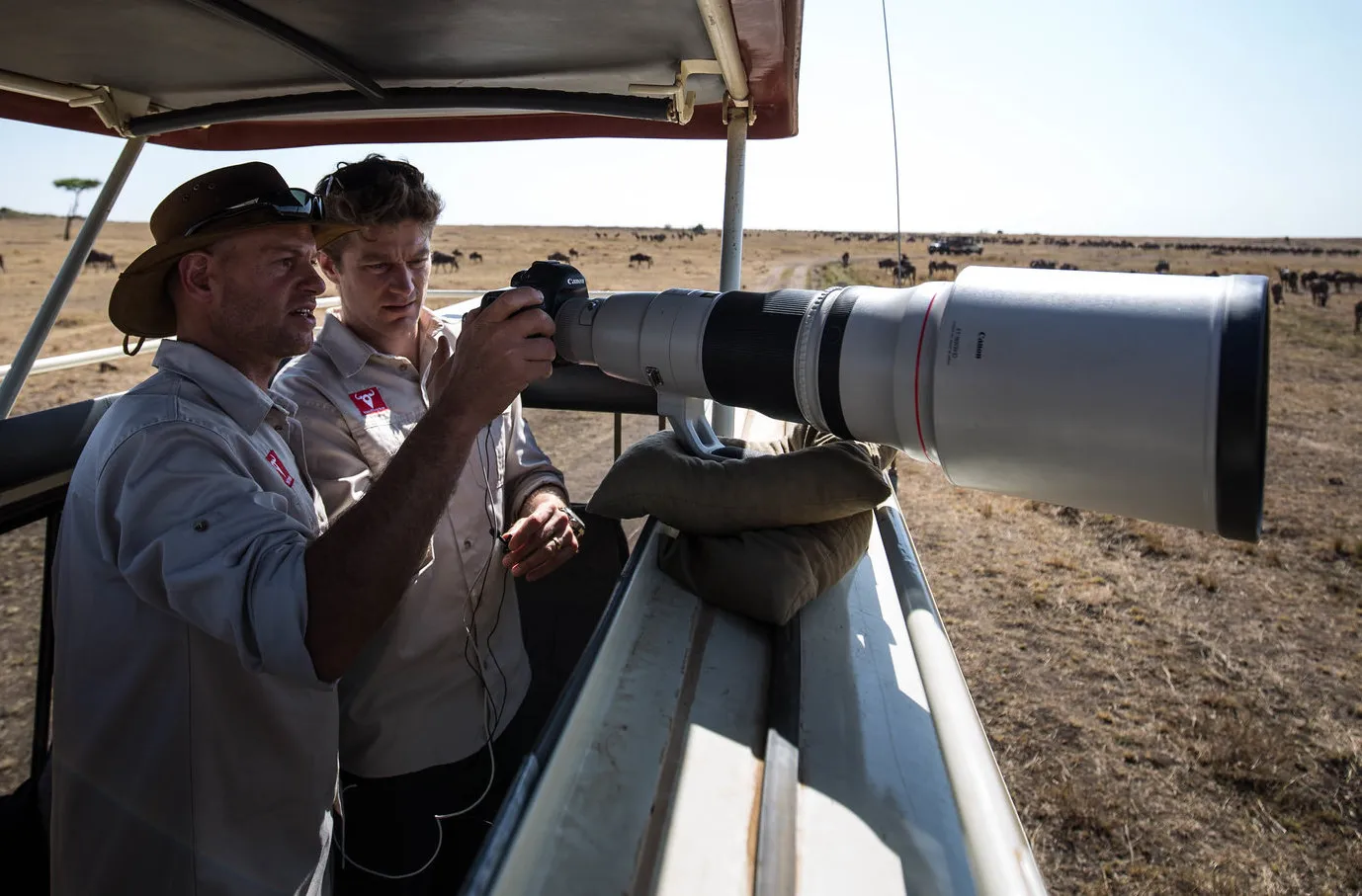
14-Day Kenya–Tanzania Great Migration - mid range
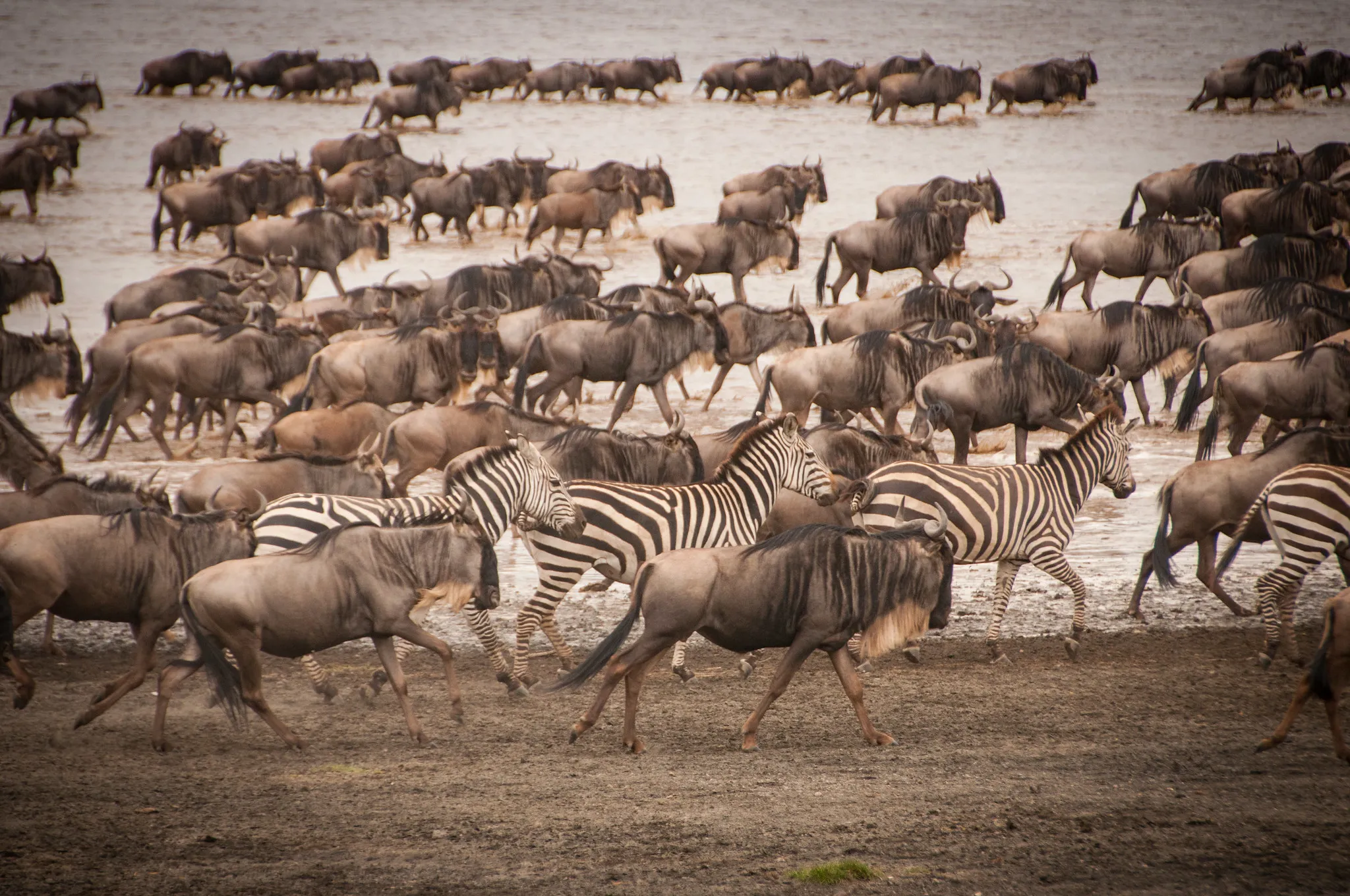
The Great Migration doesn’t follow a fixed script. It moves with the rain, the grass, and instinct — and this trip is built around following it. Fourteen days across Kenya and Tanzania, starting in Nairobi and ending in Arusha, covering six parks and two border crossings worth of landscape.
The Masai Mara and the Serengeti are the same ecosystem divided by a line on a map. The wildebeest don’t know the difference. You’ll spend time on both sides.
This is a private safari throughout. Your own vehicle, your own guide — a Kenyan crew for the first half, a Tanzanian crew after the border crossing at Isebania. Mid-range lodges and camps, chosen for location and value over square footage.
Itinerary
Day 1 – Arrival in Nairobi
Arrival at Jomo Kenyatta International Airport. Met by your guide and transferred to your hotel. Safari briefing over dinner. Early night — you’re on the road tomorrow.
Overnight at Eka Hotel Nairobi.
Day 2 – Nairobi → Amboseli National Park
Morning departure south towards the Tanzanian border. The drive takes roughly four hours. Amboseli sits at the foot of Kilimanjaro, and on a clear day the mountain fills the horizon from inside the park. Afternoon game drive. The elephant herds here are large and habituated — close approaches are routine.
Overnight at Amboseli Serena Safari Lodge or Amboseli Sopa Lodge.
Day 3 – Full Day in Amboseli
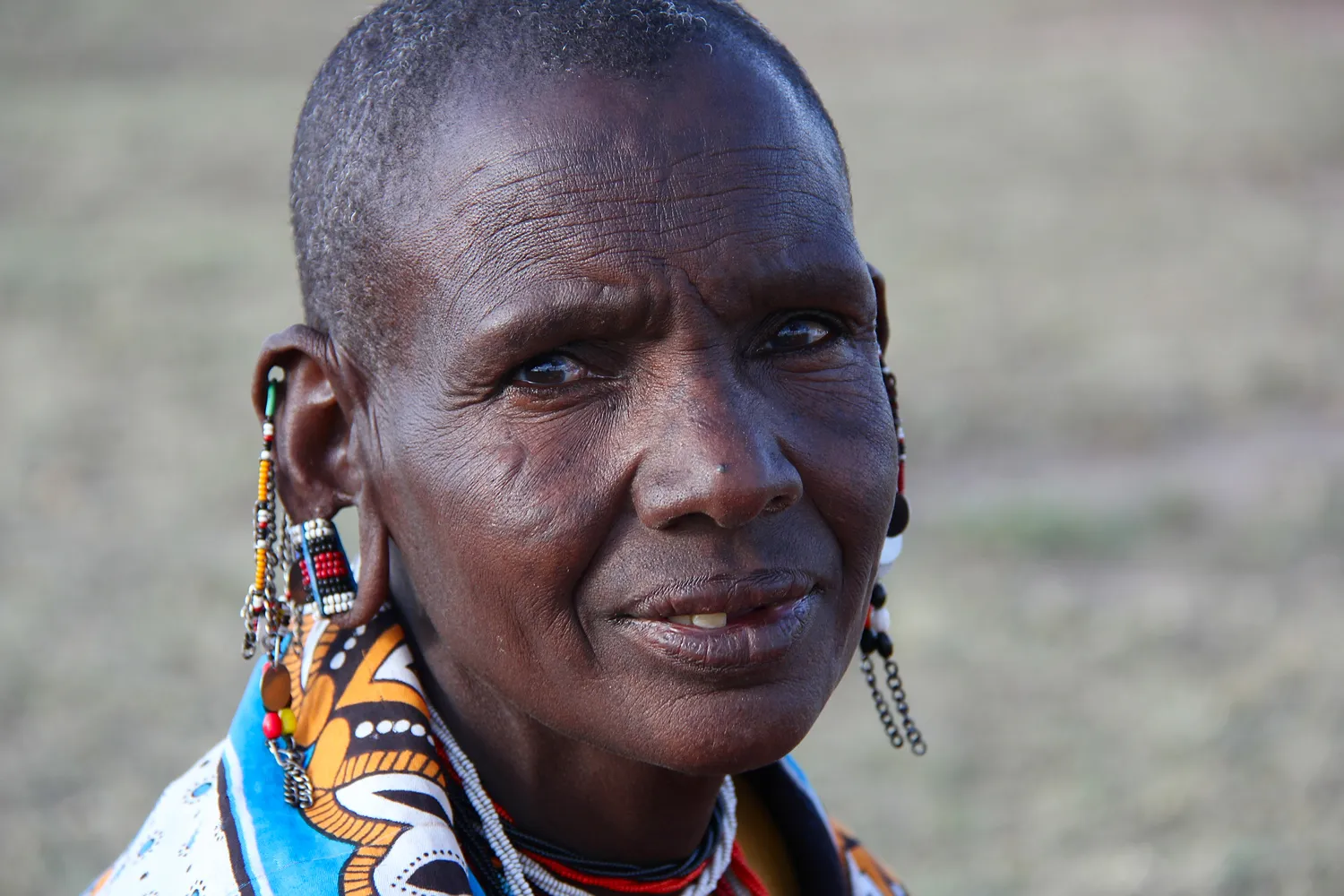
A full day in the park. Morning drive when the light is on Kilimanjaro and the herds are moving between the swamps. Afternoon drive when the predators come out. The wetlands draw buffalo, hippo, and good numbers of plains game. Optional Maasai village visit in the afternoon.
Overnight Amboseli.
Day 4 – Amboseli → Lake Naivasha
Drive north through the Rift Valley escarpment to Lake Naivasha. The landscape shifts dramatically — from dry savannah to the green shores of a freshwater lake ringed by fever trees. Afternoon boat ride on the lake: hippos surface close to the boat, African fish eagles work the shoreline, and if you’re lucky, a family of otters. Walking on Crescent Island is worth the hour.
Overnight at Lake Naivasha Sopa Resort.
Day 5 – Lake Naivasha → Lake Nakuru National Park
Short drive north to Lake Nakuru. The park is compact but consistently productive — black and white rhino, Rothschild giraffe, lion, leopard, and the lake itself which draws flamingos in large numbers depending on the season. Afternoon game drive.
Overnight at Sarova Lion Hill, Flamingo Hill Tented Camp, or Lake Nakuru Lodge.
Day 6 – Lake Nakuru → Masai Mara
The longest drive of the Kenya leg — five to six hours west and south to the Mara. The road drops off the escarpment and the landscape opens into the rolling grasslands that define this part of the Rift. Arrive in time for an afternoon game drive. The Mara is productive year-round but between July and October the Migration is here in force.
Overnight at one of our preferred Mara camps.
Day 7 – Full Day in the Masai Mara
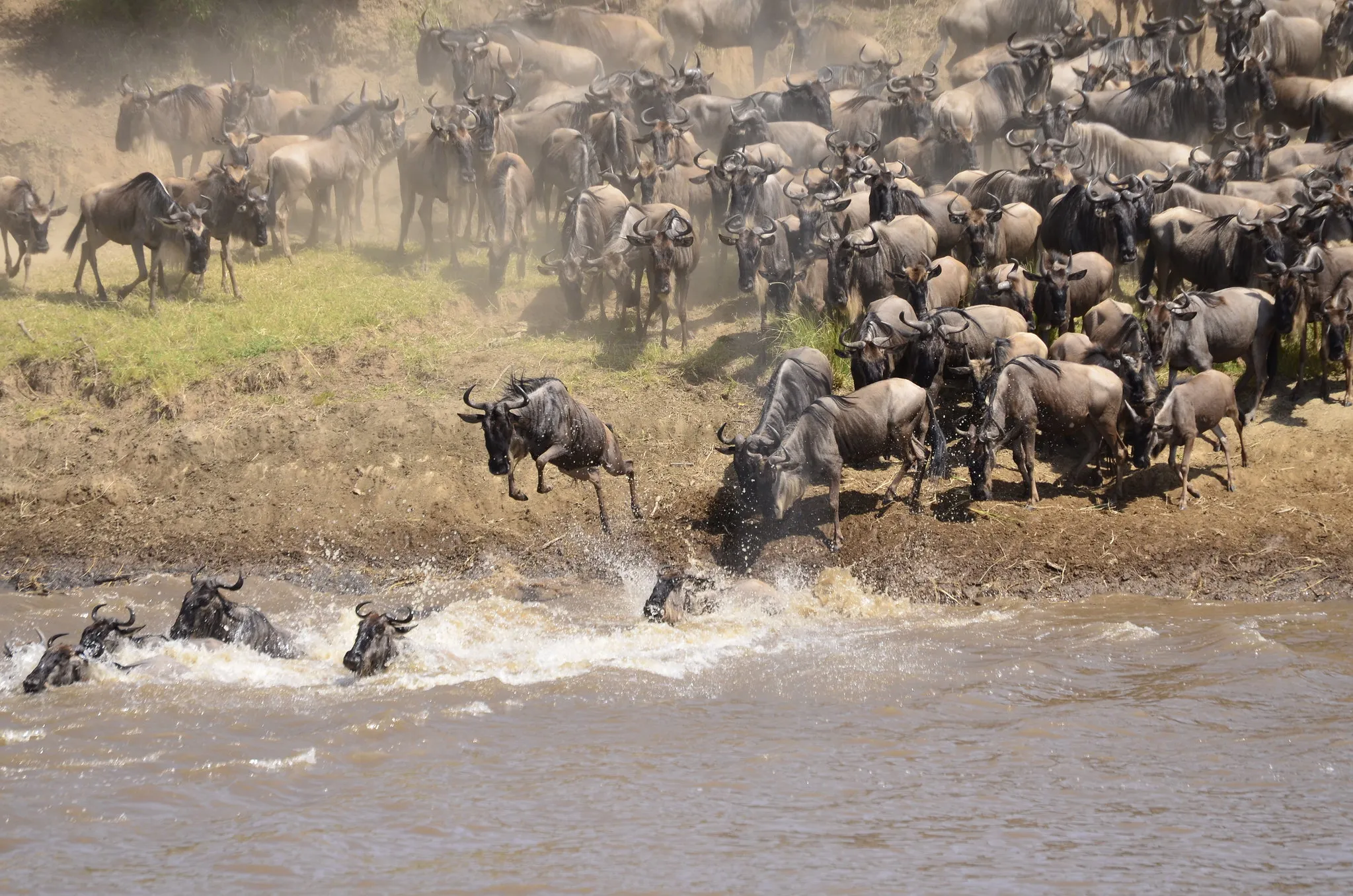
A full day on the plains. Morning and afternoon drives, picnic lunch in the bush. Between July and October this is where the river crossings happen — wildebeest and zebra stacking up on the bank before committing to the Mara River with crocodiles waiting below. Your guide monitors crossing activity throughout the day. Outside migration season the Mara still delivers — resident lion prides, cheetah, leopard, elephant, and plains game in numbers that few parks match.
Optional: sunrise hot-air balloon safari over the Mara (bookable locally, not included in price).
Overnight Masai Mara.
Day 8 – Masai Mara → Isebania Border → Northern Serengeti
Morning game drive before driving south to the Isebania border crossing into Tanzania. Vehicle and crew change here — your Tanzanian guide and 4×4 take over. Continue into the Northern Serengeti, arriving in time for an afternoon drive. The northern Serengeti is less visited than the Seronera area and consistently holds good predator numbers alongside the migration corridor.
Overnight at one of our preferred Serengeti camps.
Day 9 – Full Day in the Serengeti
A full day in the park. The guide works the area based on current conditions — migration position, predator activity, recent sightings. The Serengeti is large enough that two days in the same area rarely feel repetitive. Picnic lunch in the bush.
Overnight Serengeti.
Day 10 – Full Day in the Serengeti
Another full day. If the migration is in the north, this is the day to push further and spend more time at the river. If you’re in the central Serengeti, the Seronera valley is reliably good for leopard and lion. Your guide decides where to focus based on what’s moving.
Overnight Serengeti.
Day 11 – Serengeti → Ngorongoro Crater Rim
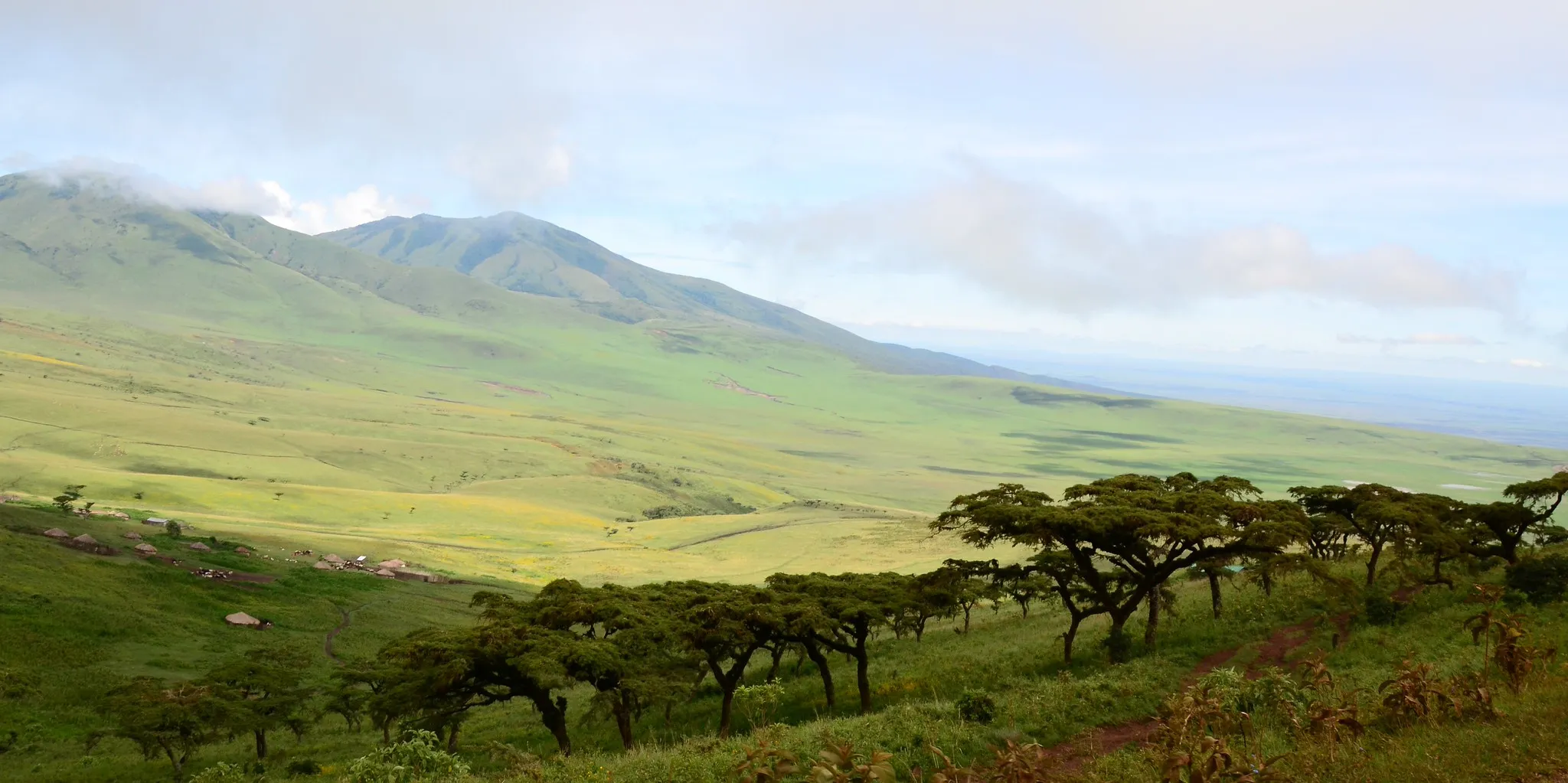
Morning drive through the Serengeti before heading east towards Ngorongoro. The drive up to the crater rim takes you through highland forest — a sharp contrast to three days of open plains. Arrive at the rim in the late afternoon. The crater is 600 metres below, 20 kilometres across, and holds one of the densest wildlife populations on the continent. Views from the rim at sunset are worth the drive alone.
Overnight at Ngorongoro Serena Safari Lodge or Rhino Lodge Ngorongoro.
Day 12 – Ngorongoro Crater → Karatu
Descend into the crater at first light. The floor is a self-contained world — lion prides, large black rhino population, hippos in the pools, tens of thousands of wildebeest and zebra, flamingos on Lake Magadi. A full morning inside, picnic lunch, then ascend and drive to Karatu — a quieter base below the crater rim.
Overnight at Ngorongoro Farm House.
Day 13 – Karatu → Arusha
Morning at leisure. Drive back to Arusha, arriving midday. Lunch stop in town. Transfer to Kilimanjaro International Airport for onward flights, or overnight in Arusha if your flight is the following day.
Day 14 – Departure
Transfer to Kilimanjaro International Airport or onward to Zanzibar.
Key Facts
| Duration | 14 days / 13 nights |
| Style | Private safari, dedicated guides, mid-range lodges and camps |
| Countries | Kenya & Tanzania |
| Parks | Amboseli · Lake Naivasha · Lake Nakuru · Masai Mara · Serengeti · Ngorongoro |
| Vehicle | Private 4×4 Land Cruiser (vehicle swap at Isebania border) |
| Best time | July – October (Migration peak) · December – March (calving season) |
| Price | From US$ 7,000 per person sharing |
| Starts | Nairobi (Jomo Kenyatta International Airport) |
| Ends | Arusha or Kilimanjaro International Airport |
| Extensions | Zanzibar · Diani Beach · Lake Eyasi |
What’s Included
- Accommodation (lodges, tented camps, or hotels)
- Transport in a 4×4 safari vehicle with a professional driver/guide
- Fuel for the vehicle during game drives
- Park and conservation fees / national park entry permits
- Guided game drives (morning, afternoon, or full-day depending on itinerary)
- Bottled or drinking water during game drives
- Meals during safari days, incl. fresh picnic lunches
- Airport pick-up / drop-off
- Binoculars
- Local taxes and government levies
- Some itineraries cover meals, cultural visits, or walking safaris
What’s Not Included
- International flights
- Visa fees for entry into the safari country
- Travel insurance / medical evacuation
- Tips for guides, drivers, camp staff, and porters
- Alcoholic drinks, soft drinks, and premium beverages
- Optional activities not listed in the itinerary (e.g. hot air balloon rides, walking safaris, night drives)
- Laundry, phone calls, and personal expenditures
- Vaccinations or malaria prophylaxis / medication
- Emergency medical evacuation / AMREF coverage
- Domestic flights (unless stated in the package)