8 Days Mkomazi & the Usambara Mountains
Rhinos, Wild Dogs & Ancient Forest: Mkomazi and the Usambaras
This is Tanzania’s northeast — a part of the country that almost no safari itinerary reaches.
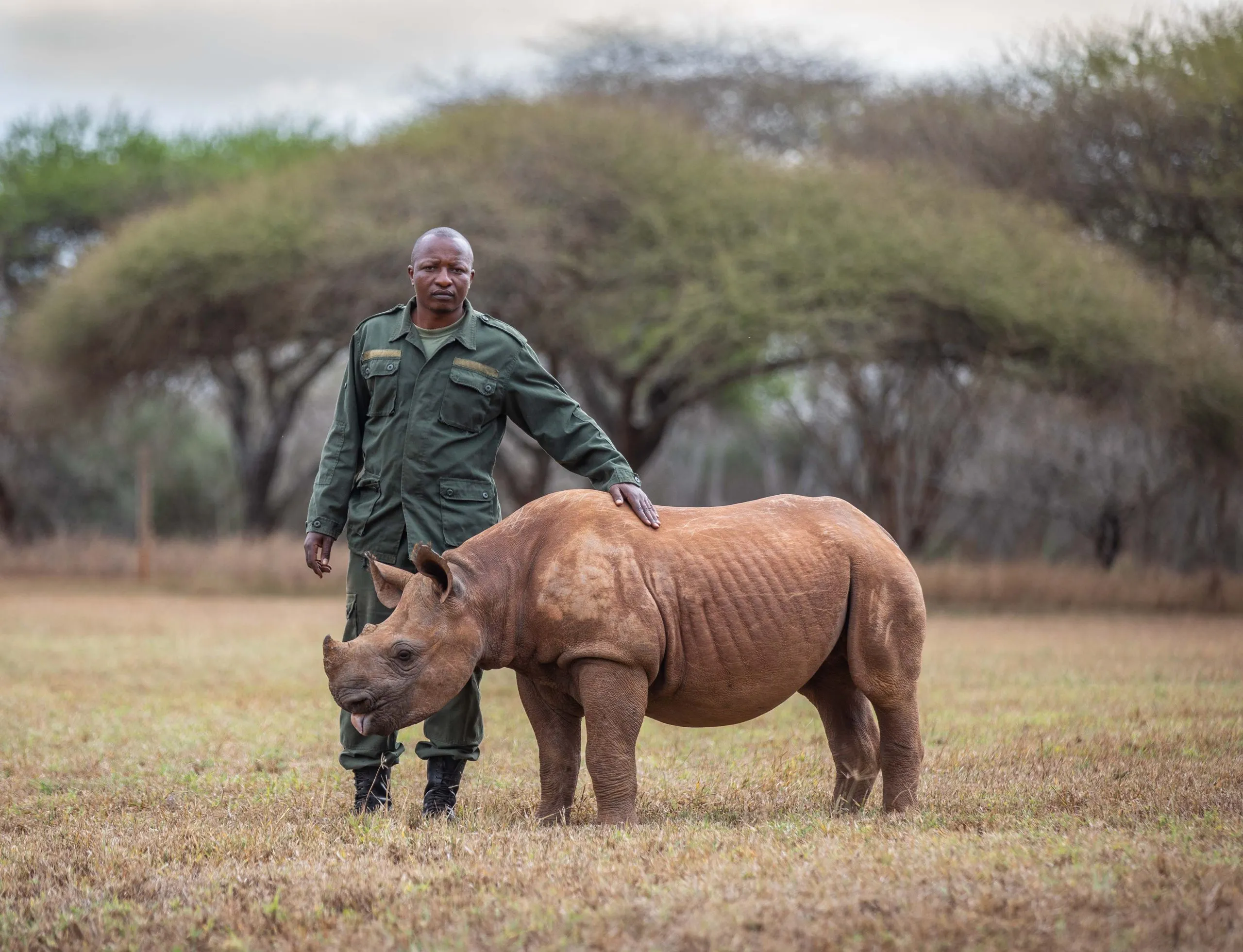
Mkomazi National Park is large, dry, and nearly empty of tourists. It holds a functioning black rhino sanctuary, one of Africa’s most successful African wild dog breeding programmes, and a cast of dry-country species — gerenuk, lesser kudu, oryx, Somali ostrich — that you won’t encounter anywhere on the northern circuit. The landscape is all flat-topped acacia and sun-bleached grass, with Kilimanjaro’s outline on the western horizon.
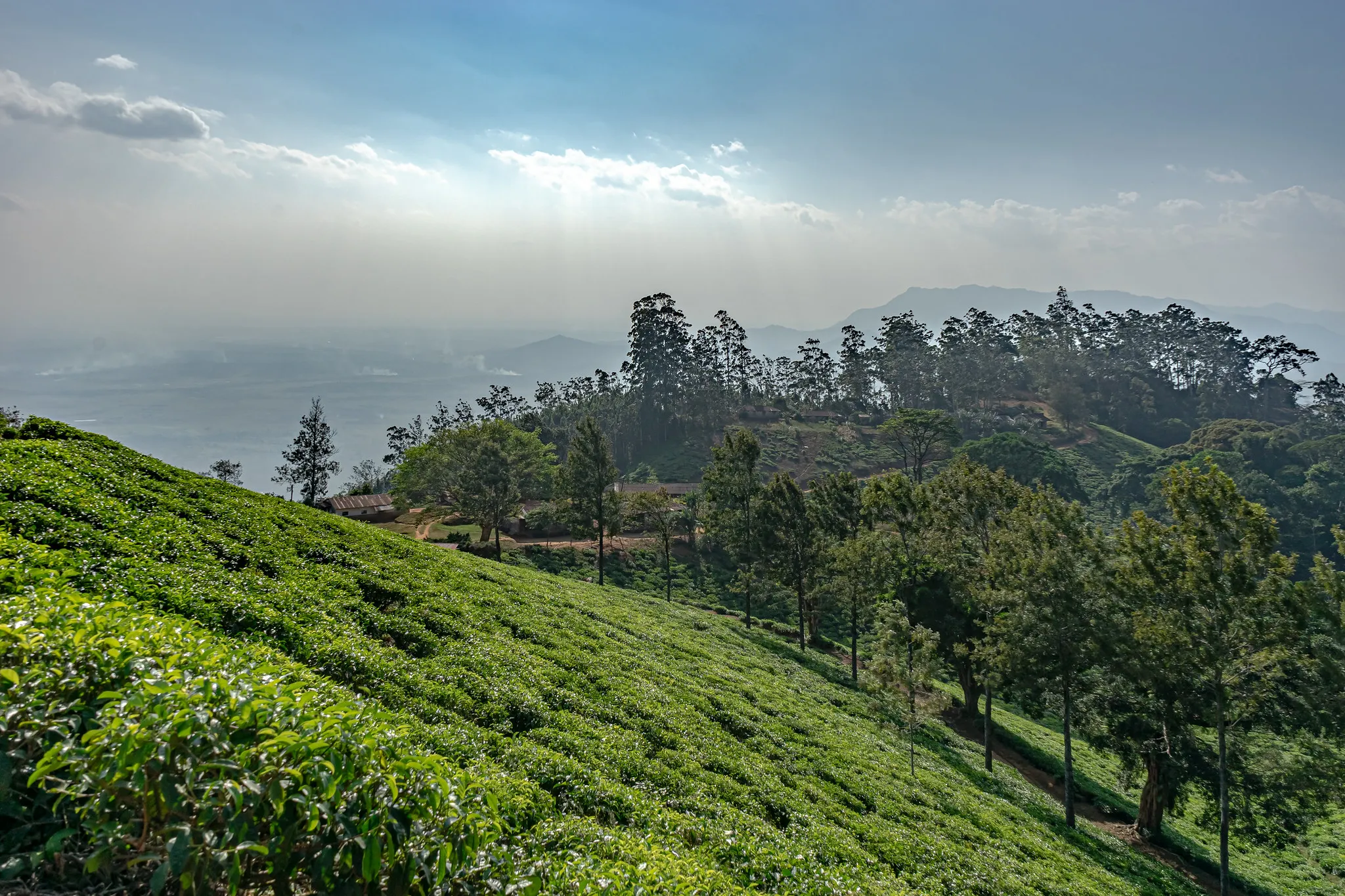
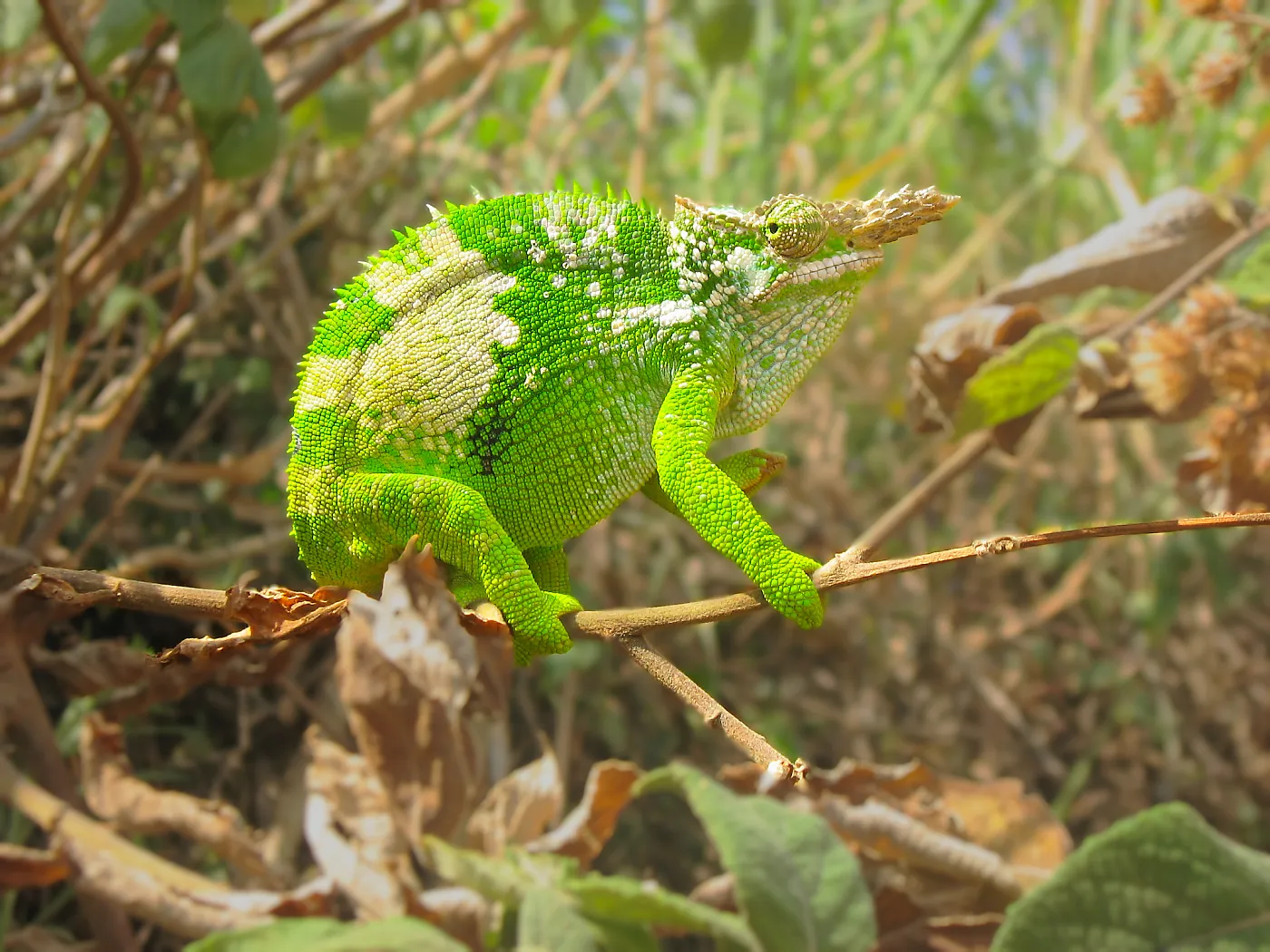
Three hours up the road, the Usambara Mountains are a completely different world. Ancient cloud forest, Shambaa farming villages on steep hillsides, colour-changing chameleons on every trail, and an escarpment that drops a thousand metres to the Maasai Steppe below. The Eastern Arc range has been biologically isolated for tens of millions of years. The endemism here — birds, reptiles, plants — is extraordinary.
Eight days. No crowds. A route that earns its place on the map.
Day 1 – Arusha → Mkomazi National Park
The drive east from Arusha takes roughly four to five hours, passing the southern flanks of Kilimanjaro and through the Pare Mountain foothills before descending to the hot nyika plains of Tanzania’s northeast. The road through Same town is the last stop for supplies.
Zange Gate is the main entry point; Babu’s Camp sits about 11 kilometres inside, under acacia and baobab at the edge of the dry-country plains. Check in, settle in, and take the late afternoon for a short orientation drive. The light here in the last hour before sunset hits the baobabs hard.
Day 2 – Mkomazi: Rhino Sanctuary & Full Game Drive
This is the reason to come. The black rhino sanctuary occupies a fenced section of the park, managed by the George Adamson Wildlife Preservation Trust. Entry is by park vehicle with sanctuary staff — the rhinos are breeding-programme animals, wild and closely monitored, and you observe them at close range in a way that carries genuine weight.
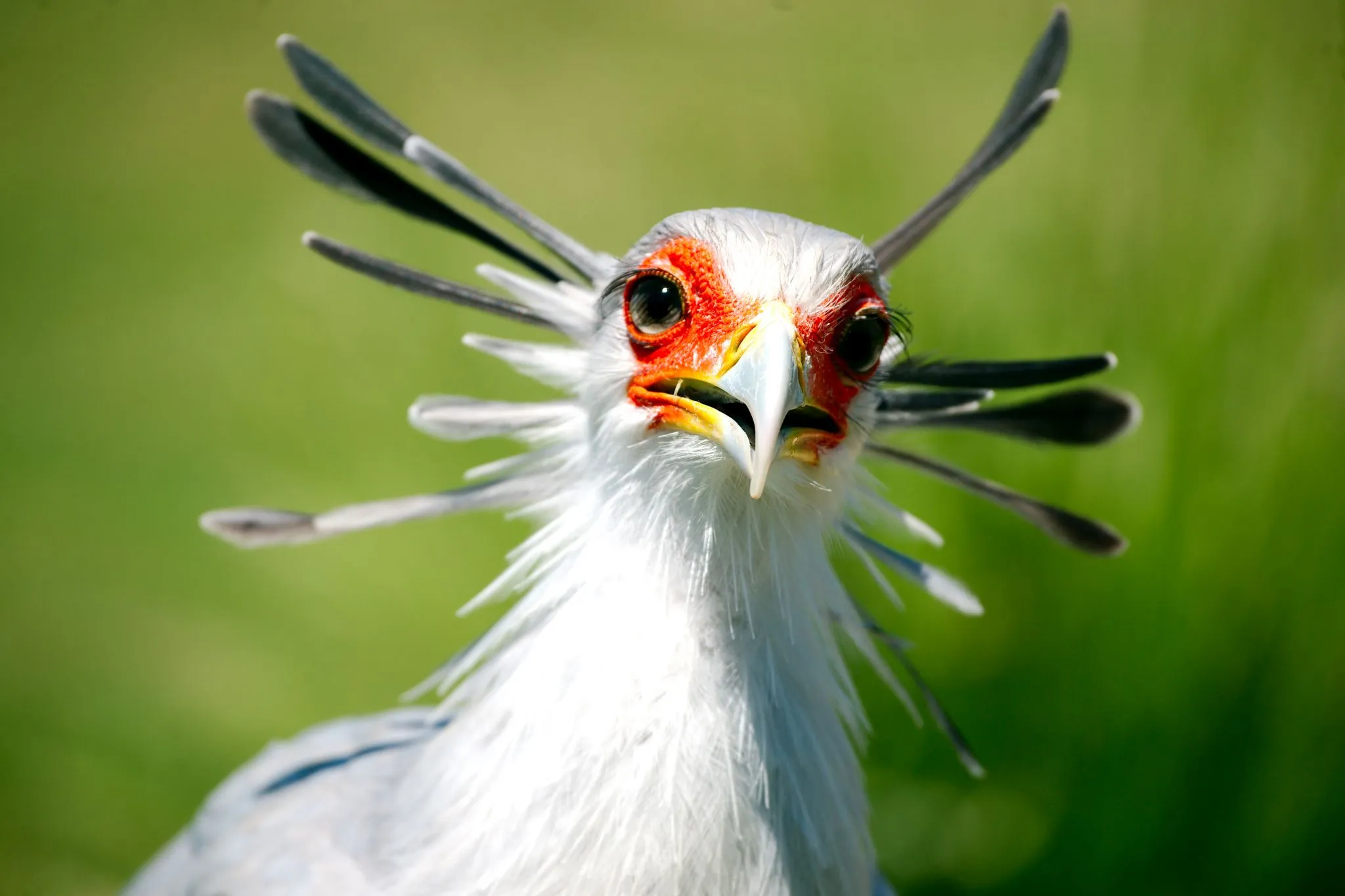
The afternoon is a full game drive across a different section of the park: giraffe, elephant, oryx, gerenuk — a slender-necked antelope that stands on its hind legs to browse acacia pods, found in Tanzania only here — and the persistent soundtrack of hornbills and rollers. African wild dog sightings are not guaranteed, but Mkomazi gives better odds than almost anywhere else in Tanzania. Over 400 bird species have been recorded in the park; the raptors alone justify binoculars.
Day 3 – Mkomazi: Early Drive → Departure for Lushoto
An early morning start for a final drive in the cool hours — the best time for predator activity and for the light on the southern Pare Mountains. Back to camp for breakfast, then checkout and the drive northwest.
The road to Lushoto climbs steadily from the plains, up through the foothills and into the Usambara highland air. The temperature drops noticeably. You arrive at Mullers Mountain Lodge — a 1930s farmhouse set on the hills above Lushoto — in the early afternoon. Time to walk the lodge grounds, orientate yourself, and have a slow evening after the intensity of the plains.
Day 4 – Usambara: Lushoto Highlands Walk & Irente Viewpoint
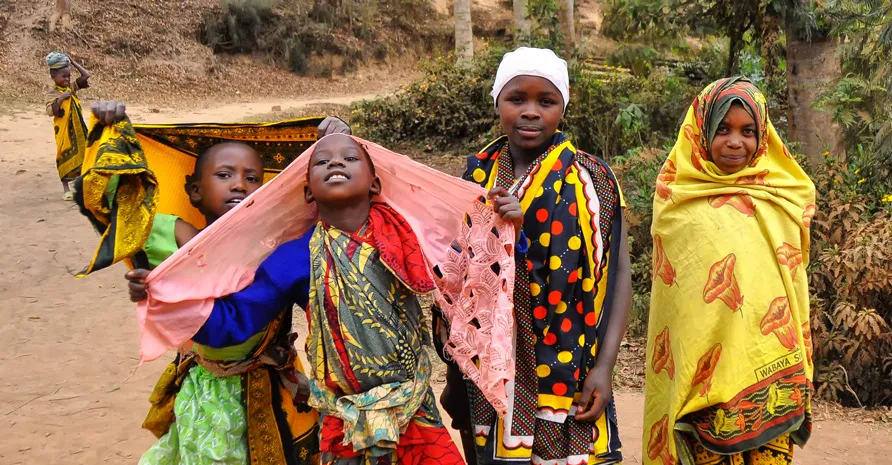
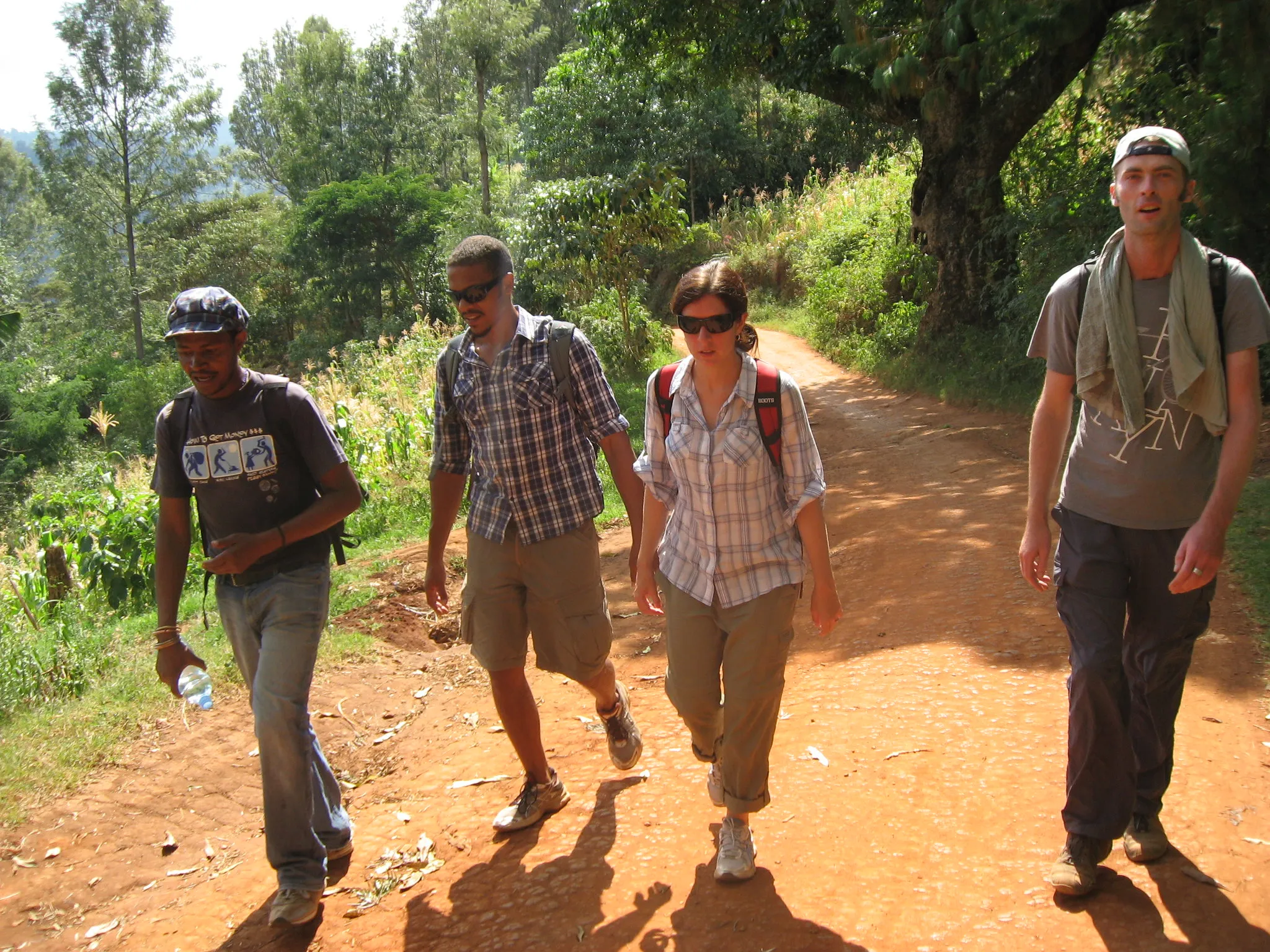
A guided half-day walk from the lodge into the Lushoto highlands. The trail passes through Shambaa farming villages — banana, coffee, cardamom — before arriving at Irente Viewpoint, where the escarpment falls away to a thousand-metre drop and the Maasai Steppe stretches to the horizon. On a clear morning, the view reaches the Indian Ocean.
The path back passes through Jaegertal, the old German colonial “Hunter’s Valley,” where a fruit-tree nursery and remnant German-era buildings mark the district’s history as a colonial hill station. Lunch at the lodge. The afternoon is free — this is not a place to rush.
Day 5 – Usambara: Forest Walk & Magamba Nature Reserve
A longer walk today, into Magamba Nature Reserve above Lushoto. The forest here is genuine Eastern Arc cloud forest — colobus monkeys in the canopy, Usambara two-horned chameleons in the undergrowth, endemic birds calling from the tree ferns. A guide who knows the trails will stop where it matters.
The route can be extended to Migambo Peak at around 2,400 metres if the group wants the climb, or kept shorter and looped back through highland farmland. Either way you will have covered ground that sees very few visitors. Evening at Mullers.
Day 6 – Mullers → Irente View Cliff Lodge
A short transfer — fifteen minutes by road — to Irente View Cliff Lodge, positioned directly at the escarpment edge. The lodge sits within the Irente Biodiversity Reserve, which means guided nature walks from the door, including the reserve’s trail system through secondary forest and community farmland.
The afternoon is for the viewpoint at golden hour. There is not much else you need.
Day 7 – Usambara: Cultural Walk & Soni Falls
A guided cultural walk from Irente today — through Shambaa villages, past traditional homesteads, and down to Soni Falls, one of the most dramatic waterfalls in the Usambara range. The route passes through a World War I German bunker and the historic royal village of the Kilindi clan.
This is a different kind of day — slower, more conversational, the kind of walking where the guide’s knowledge of local culture matters as much as the scenery. Return to the lodge for a final evening on the escarpment.
Day 8 – Lushoto → Arusha
An early morning walk at the reserve before departure, then the drive back west to Arusha — roughly four hours via the A14, descending from the highlands back to the plains. Transfer to Kilimanjaro International Airport, or overnight in Arusha for a next-day departure.
| Duration | 8 days / 7 nights |
| Destinations | Mkomazi National Park, Usambara Mountains (Lushoto) |
| Price | From $335 per person per day |
| Travel | Private 4WD throughout, road transfer only — no internal flights required |
| Level | Mid-range |
| Group size | 2–6 (private) |
| Best time | June–October (dry season); January–February (clear skies, good wildlife in Mkomazi) |
| Highlights | Mkomazi rhino sanctuary, African wild dogs, gerenuk, Irente escarpment views, Magamba cloud forest, Shambaa cultural walks |
| Not suited for | Visitors primarily seeking Big Five game density; those expecting traditional safari camp infrastructure throughout |
What’s Included
- Accommodation (lodges, tented camps, or hotels)
- Transport in a 4×4 safari vehicle with a professional driver/guide
- Fuel for the vehicle during game drives
- Park and conservation fees / national park entry permits
- Guided game drives (morning, afternoon, or full-day depending on itinerary)
- Bottled or drinking water during game drives
- Meals during safari days, incl. fresh picnic lunches
- Airport pick-up / drop-off
- Binoculars
- Local taxes and government levies
- Some itineraries cover meals, cultural visits, or walking safaris
What’s Not Included
- International flights
- Visa fees for entry into the safari country
- Travel insurance / medical evacuation
- Tips for guides, drivers, camp staff, and porters
- Alcoholic drinks, soft drinks, and premium beverages
- Optional activities not listed in the itinerary (e.g. hot air balloon rides, walking safaris, night drives)
- Laundry, phone calls, and personal expenditures
- Vaccinations or malaria prophylaxis / medication
- Emergency medical evacuation / AMREF coverage
- Domestic flights (unless stated in the package)