Lake Manyara & Lake Eyasi – Tanzania's Rift Valley Lakes
Map of the Rift Valley Lakes
Tap to enlarge map
Lake Manyara & Lake Eyasi
Most people ask about the flamingos. That’s a fair place to start — but it’s not the whole story, and if the flamingos are the only reason you’re coming, you need to understand how they actually work before you book.
These two lakes sit about an hour apart in Tanzania’s northern Rift Valley. They share a landscape — the vast, flat floor of one of the Earth’s great geological ruptures, with the escarpment wall rising sharply to the west. Beyond that, they offer very different experiences. Understanding both is worth your time.
Lake Manyara
Lake Manyara National Park is compact — about 330 square kilometres, with the lake itself taking up roughly two-thirds of that area. What’s left is a narrow strip of habitat between the water and the base of the Rift escarpment: groundwater forest, acacia woodland, open floodplain. It sounds modest. It isn’t.
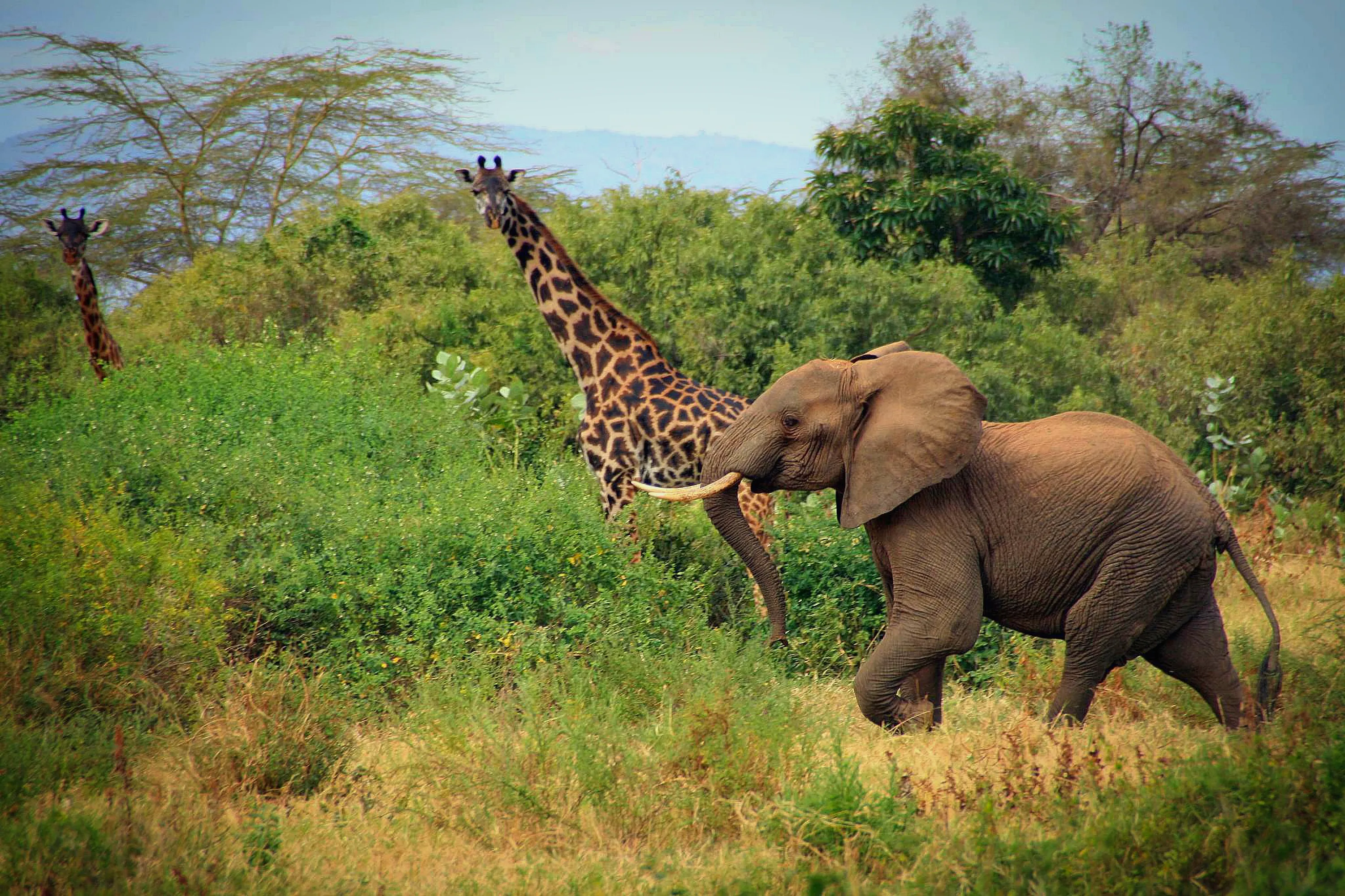
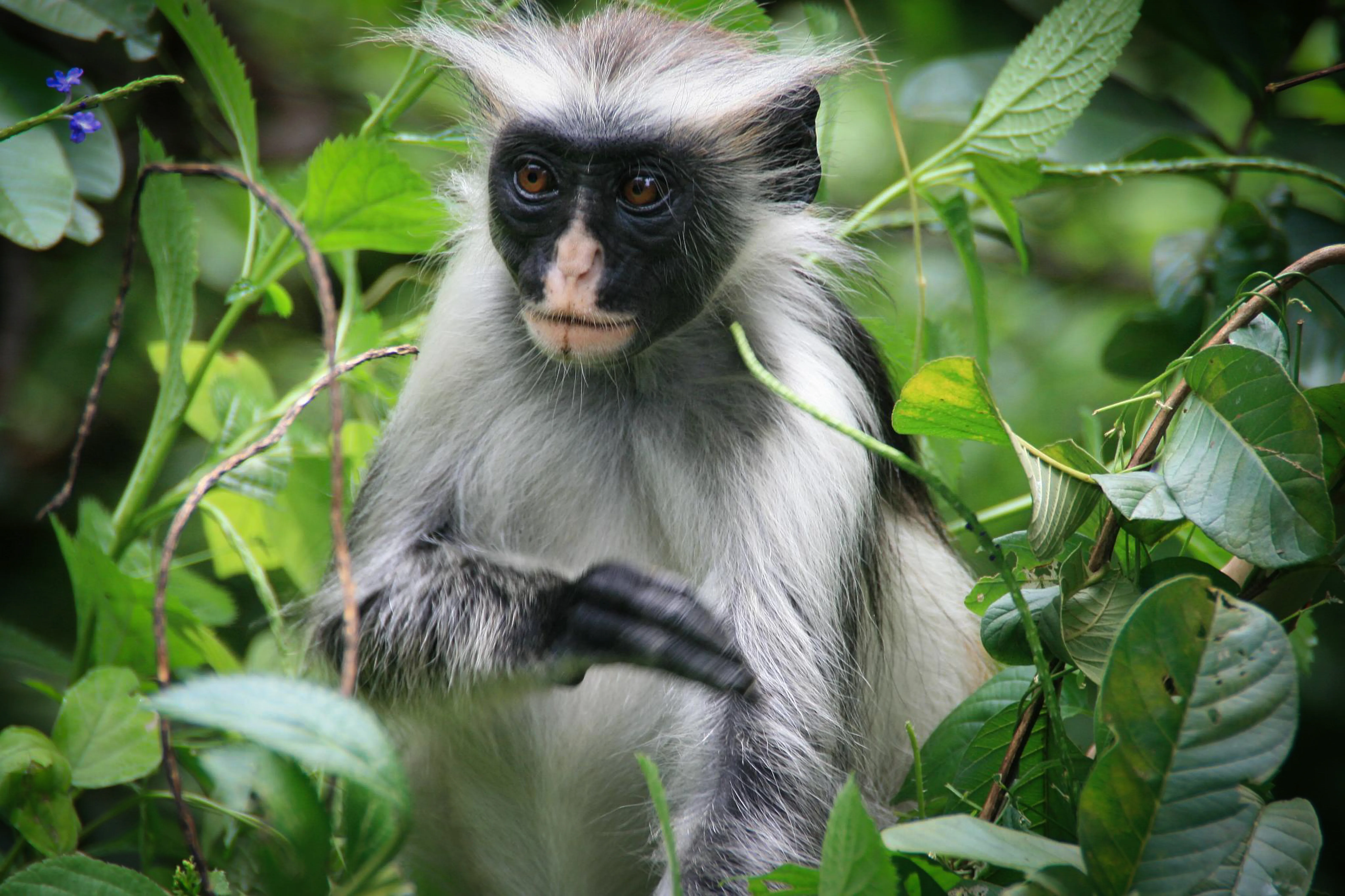
The forest is the first thing that changes your expectations. Dense, dark, and full of sound. Troops of olive baboons and blue monkeys move through the canopy. The fig trees are enormous. It feels nothing like the open savanna of the Serengeti — and that contrast is exactly the point. If your itinerary only has savanna, Manyara adds something different.
The tree-climbing lions are real. A population of lions here developed the habit of resting in the branches of acacia and sausage trees — behaviour documented since the 1960s and still observed today, though sightings are never guaranteed. When you do find a lion draped across a branch six metres off the ground, it’s one of those moments that takes a beat to process. No other park on the northern circuit offers this consistently.
The hippo pools at the southern end of the park are reliable and often overlooked. Large pods, close access, very little competition from other vehicles. Spend time here.
Lake Eyasi
Lake Eyasi is a different proposition entirely. It’s a soda lake — shallow, highly alkaline, and at times almost entirely dry. It sits south of Manyara at a slightly lower elevation, enclosed by the Eyasi escarpment and surrounded by semi-arid scrubland. There are no game drives here in the traditional sense. You come for other reasons.
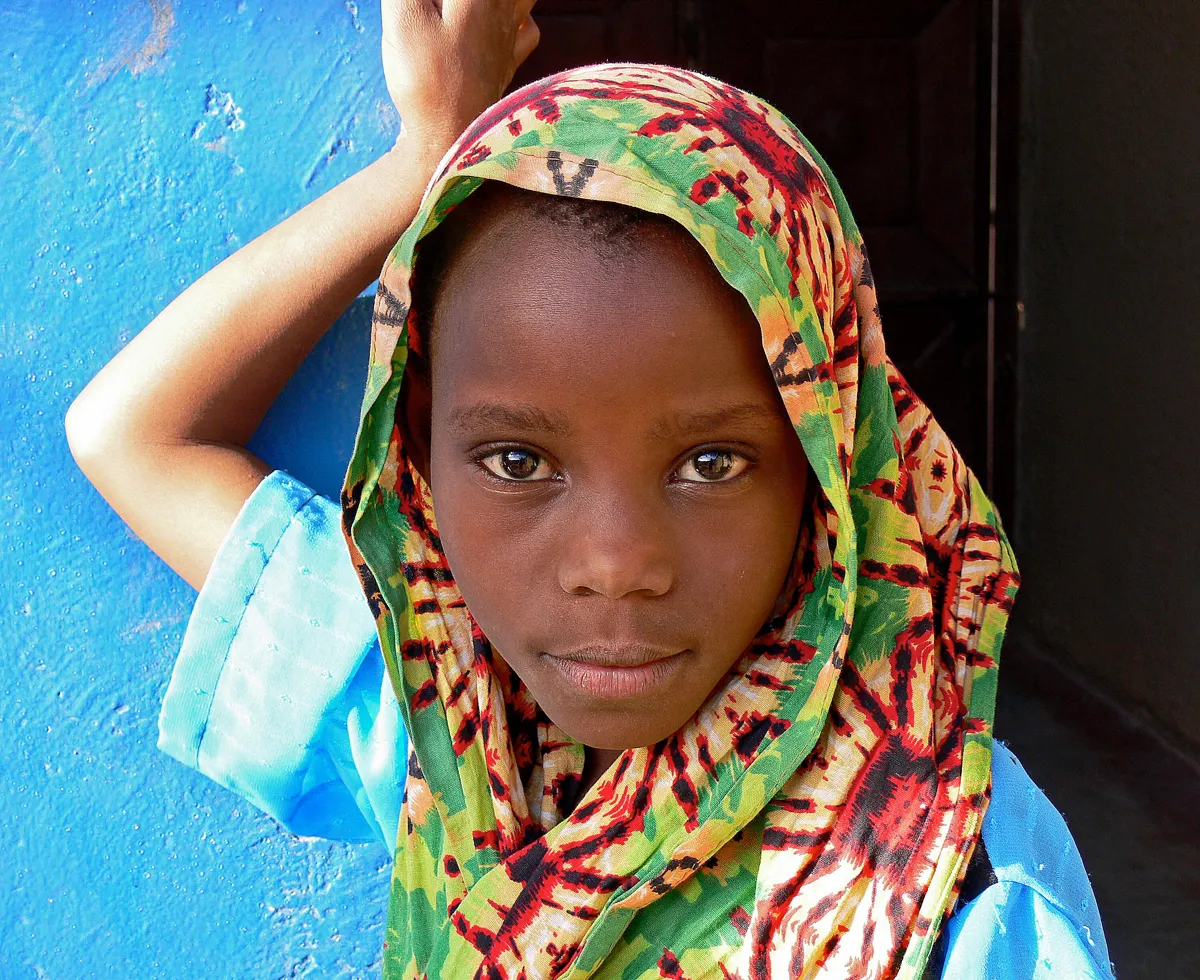
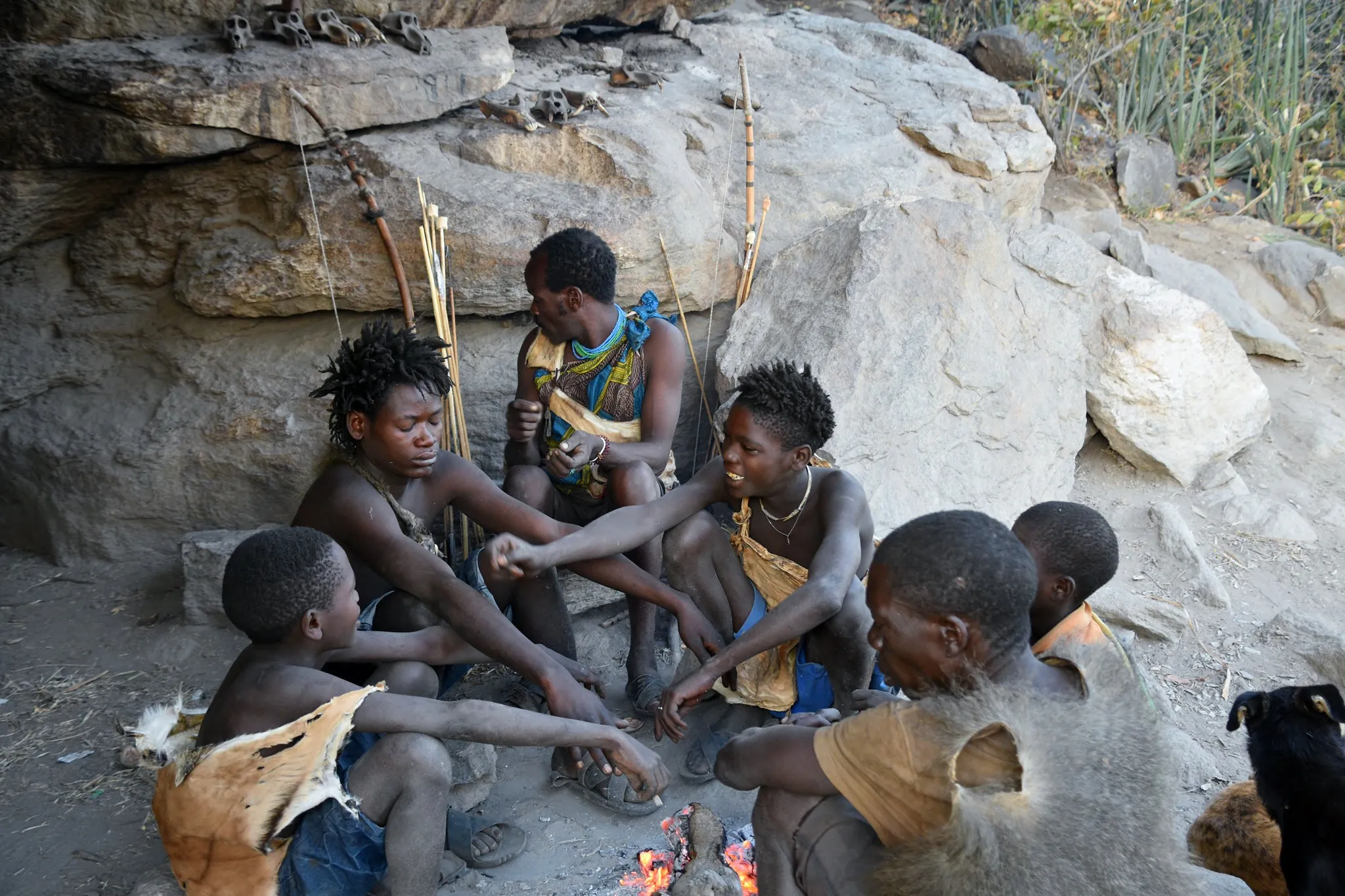
The Hadzabe are one of the last remaining hunter-gatherer communities on earth. They live around the shores of Lake Eyasi and have done so for tens of thousands of years — their click language is considered among the oldest in human existence. Visits to a Hadzabe community are arranged through local operators and involve joining a morning hunt: small game, birds, and whatever the landscape offers on that particular day. It is not staged, it is not a performance. It is their life, and you are a guest in it for a few hours.
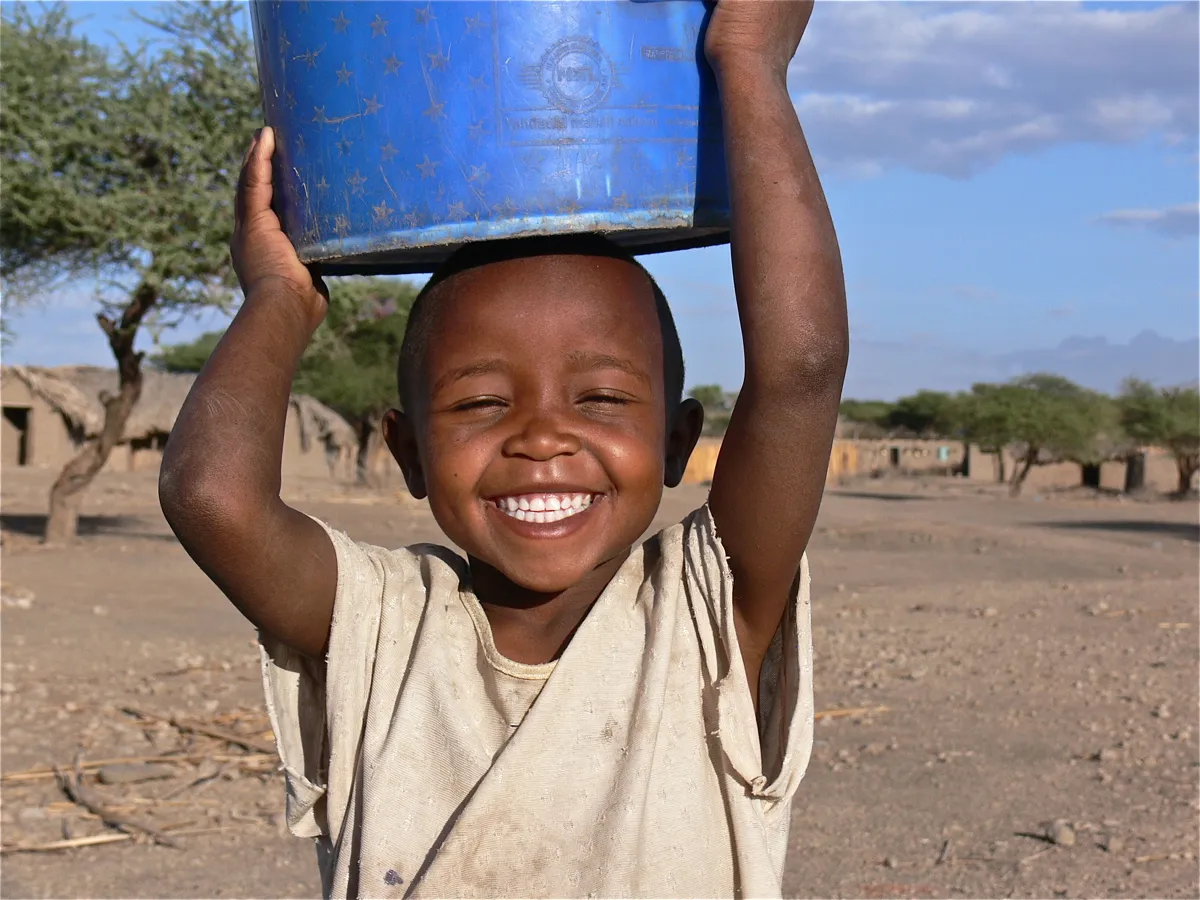
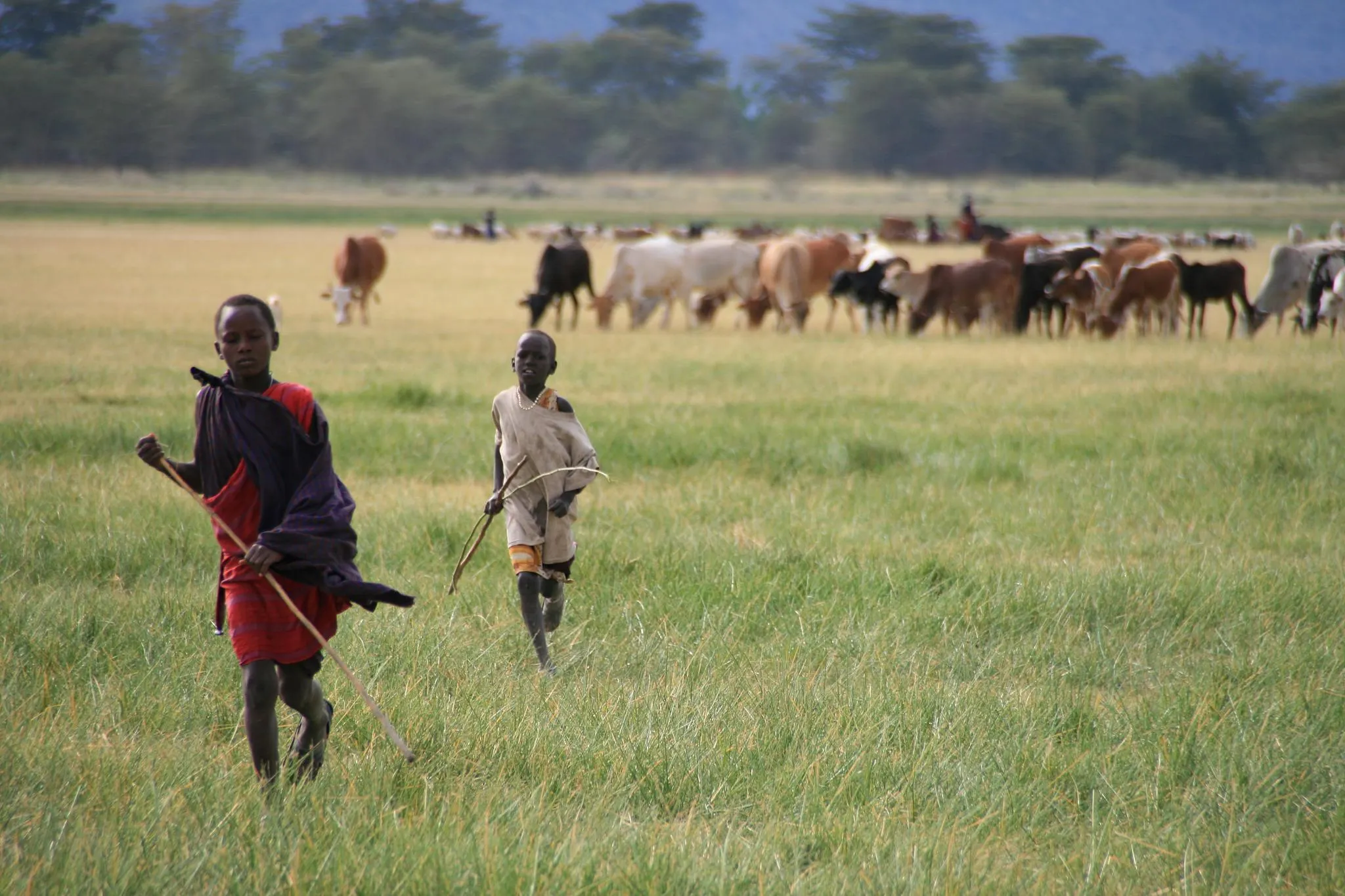
The Datoga — pastoralists and skilled metalworkers — also live in this area. Watching a Datoga blacksmith work iron using techniques unchanged for centuries is a quieter experience than the Hadzabe morning, but equally worth your attention.
Eyasi rewards people who are genuinely curious about human history and culture. It does not reward people who are primarily looking for big game.
The Flamingo Question
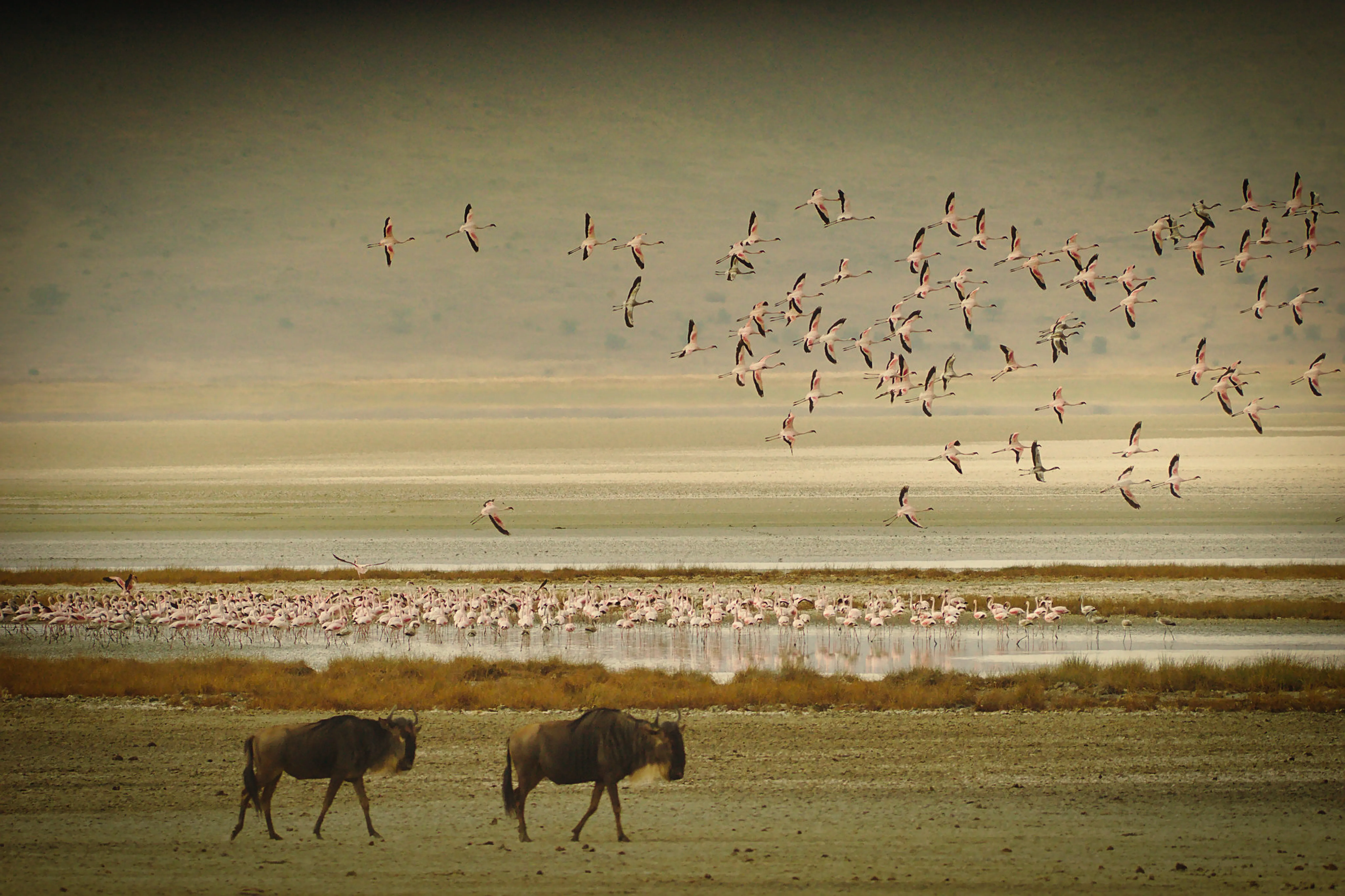
Both lakes can host flamingos. The honest answer to “will I see flamingos?” is: it depends on the year, the season, and conditions that are largely outside anyone’s control.
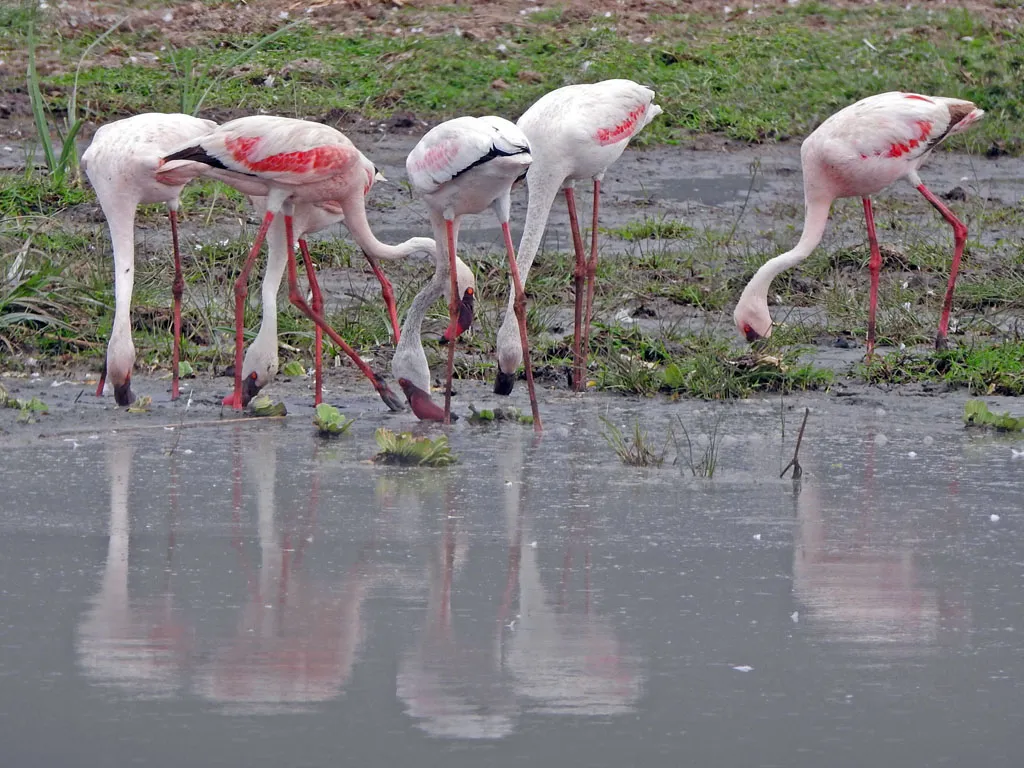
Lake Manyara is the more reliable of the two. Lesser flamingos feed on the algae that bloom in the alkaline shallows, and when conditions are right — water levels neither too high nor too low, algae present — the numbers can be in the tens of thousands. The lake’s southern and central sections are where they concentrate. In a good year, during the right months, it is genuinely spectacular.
Lake Eyasi sees flamingos when water levels are favourable, which is less predictable. When the lake is very dry — which it can be for extended periods — there is little to attract them. Don’t make Eyasi the reason for your flamingo hopes.
The critical variable for both lakes is water level, which is driven by rainfall, not season alone. A good rainy season raises levels and stimulates algae growth; a poor one or an exceptionally dry stretch can reduce both lakes dramatically. Tanzania has experienced significant variation in recent years.
Flamingo Seasonality — What Actually Happens
November to March (short and long rains, moving into the wet season): Water levels rise after the rains. Algae follow. This is when flamingo numbers tend to build. The landscape around Manyara is green, birding in the forest is exceptional, and the park is quieter than peak season.
April to May (long rains peak): Heavy rain can raise lake levels beyond what flamingos prefer — they feed in shallow water, and if it gets too deep, they move. April and May are also Tanzania’s wettest months, which makes access to some areas difficult.
June to October (dry season): Water levels drop through the dry season. By August and September, Manyara’s lake can be significantly reduced. Flamingo numbers tend to fall as the shallows recede and algae diminish. This is the best time for general game viewing in the park — the forest wildlife, the lions, the hippos — but not necessarily for flamingos.
The honest guidance: if flamingos are a priority, November to February gives you the best probability at Manyara. But there are no guarantees. We will always tell you what conditions look like at the time of your trip.
When to Visit Each Lake
Lake Manyara works year-round as part of a northern circuit itinerary. The dry season (June–October) is better for general game viewing — the forest is navigable, the hippo pools are reliable, and the tree-climbing lions are easier to find when vegetation thins. The green season offers exceptional birding and far fewer vehicles.
One night at Manyara is the standard. It’s enough. Two nights lets you cover the forest in the morning and the floodplain properly in the evening, which changes the experience.
Lake Eyasi is best visited May through October, when Hadzabe morning hunts are most productive and the lake shore is accessible. The wet season makes some tracks difficult and the bush too thick for the hunting experience to work well.
Eyasi is typically done as a half-day or full-day excursion, often based out of accommodation near the lake or combined with a night en route between Manyara and the Serengeti via Karatu.
As Part of Your Safari
Lake Manyara fits naturally into the northern circuit as a first or second stop after Arusha — it’s roughly 130 kilometres from the city and pairs directly with Tarangire or Ngorongoro depending on your direction of travel. It’s rarely the centrepiece of a trip, but it earns its place every time.
Lake Eyasi is an optional detour that suits a certain kind of traveller: someone who wants more than game drives, who is interested in how people have lived on this landscape for a very long time, and who is willing to spend a day away from the main circuit. It is not for everyone. For the right person, it is the day that stays with them longest.
We include both when the timing and the traveller are right. We’ll tell you honestly which one belongs in your itinerary.