The Usambara Mountains
Map of the Usambara Mountains
Tap to enlarge map
The Usambara Mountains
If you are one of those travellers who want to be true explorers and go beyond the beaten paths of the national parks every tourist visits, you don’t want to miss the Usambara Mountains.
Tucked into the northeastern corner of the country, rising sharply from the lowland heat, the Usambaras are a different Tanzania entirely — cool, green, ancient, and largely left alone.
The Landscape
The Usambara range is part of the Eastern Arc Mountains, a chain of isolated highland blocks that have been biologically distinct from the surrounding lowlands for tens of millions of years. That isolation is why they matter. Species here evolved separately, producing a concentration of endemism — plants, birds, reptiles found nowhere else on earth — that has made the Eastern Arc one of the world’s recognised biodiversity hotspots.
The mountains divide into two distinct blocks. The West Usambaras, centred on the town of Lushoto, are more accessible and more visited — which still means very few tourists by any reasonable measure. The East Usambaras, anchored by Amani Nature Reserve, are lower, wetter, and even less travelled.
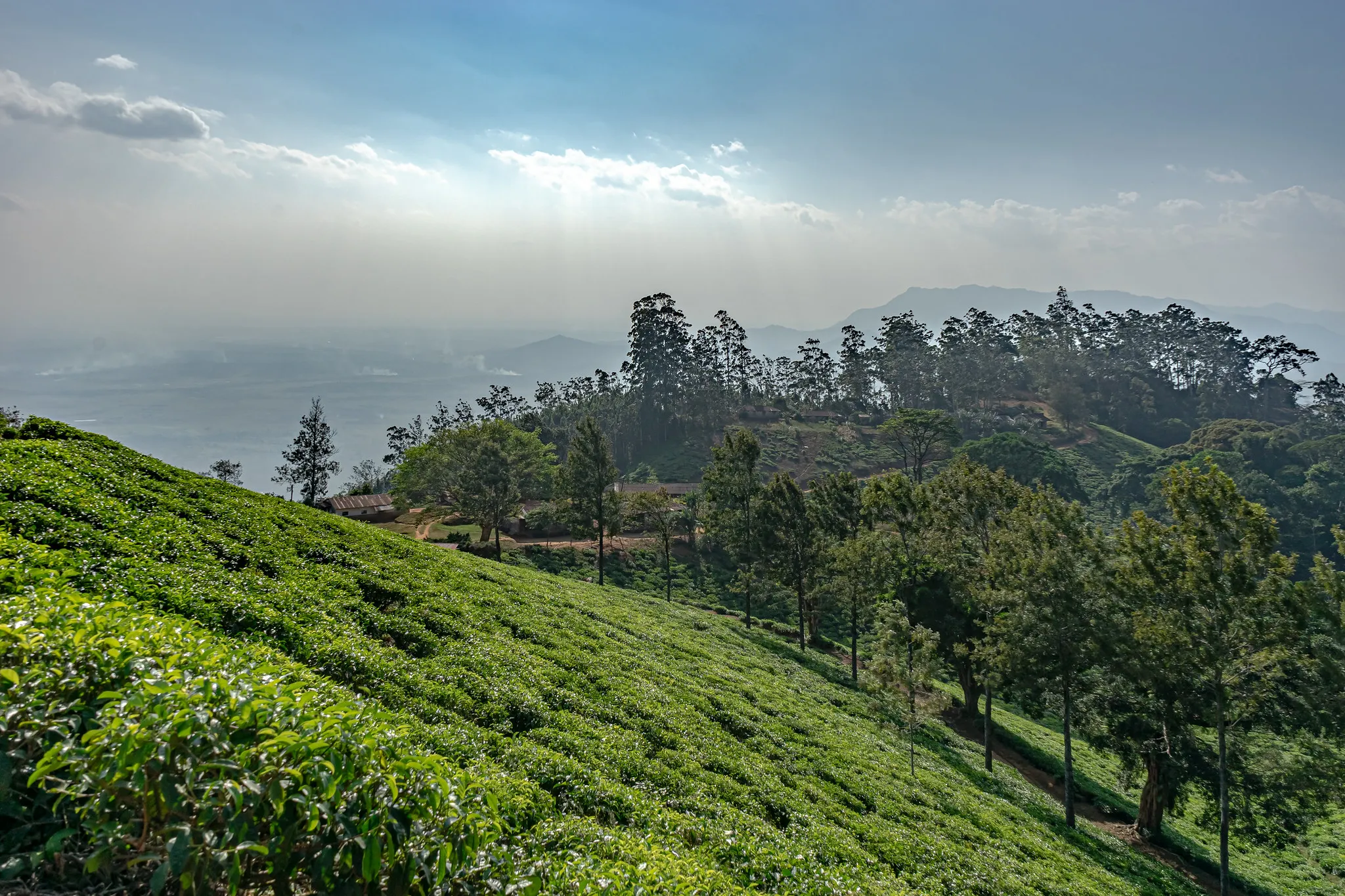
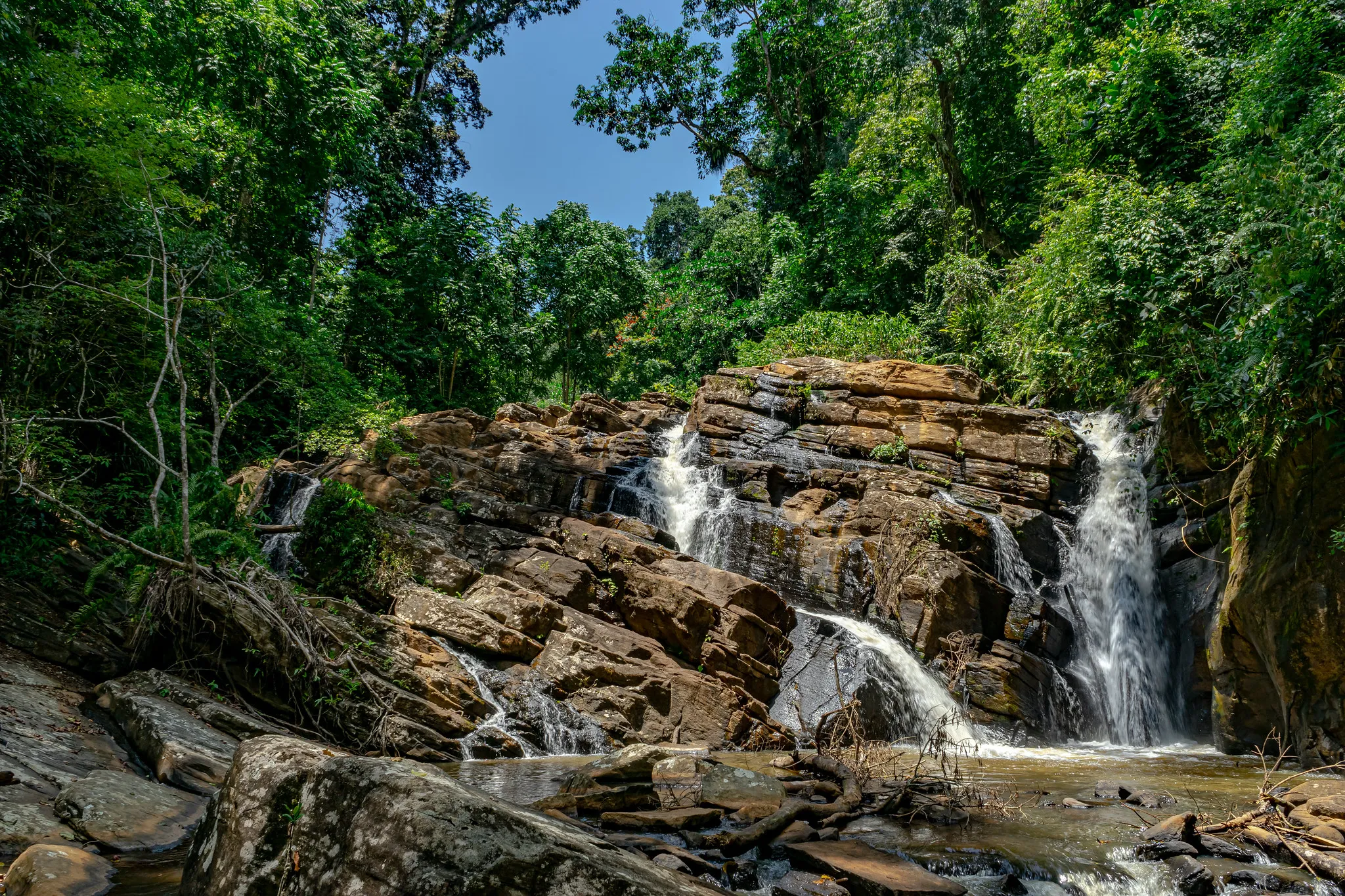
The terrain throughout is spectacular in an understated way. Forested ridges dropping into deep valleys. Tea and cardamom plantations on the slopes. Villages of mud-walled houses and corrugated iron roofs connected by footpaths through the forest. Views that open suddenly onto the Maasai Steppe far below, flat and hazy, extending to the horizon.
From the right ridge on a clear morning, you can see Kilimanjaro.
The Hiking
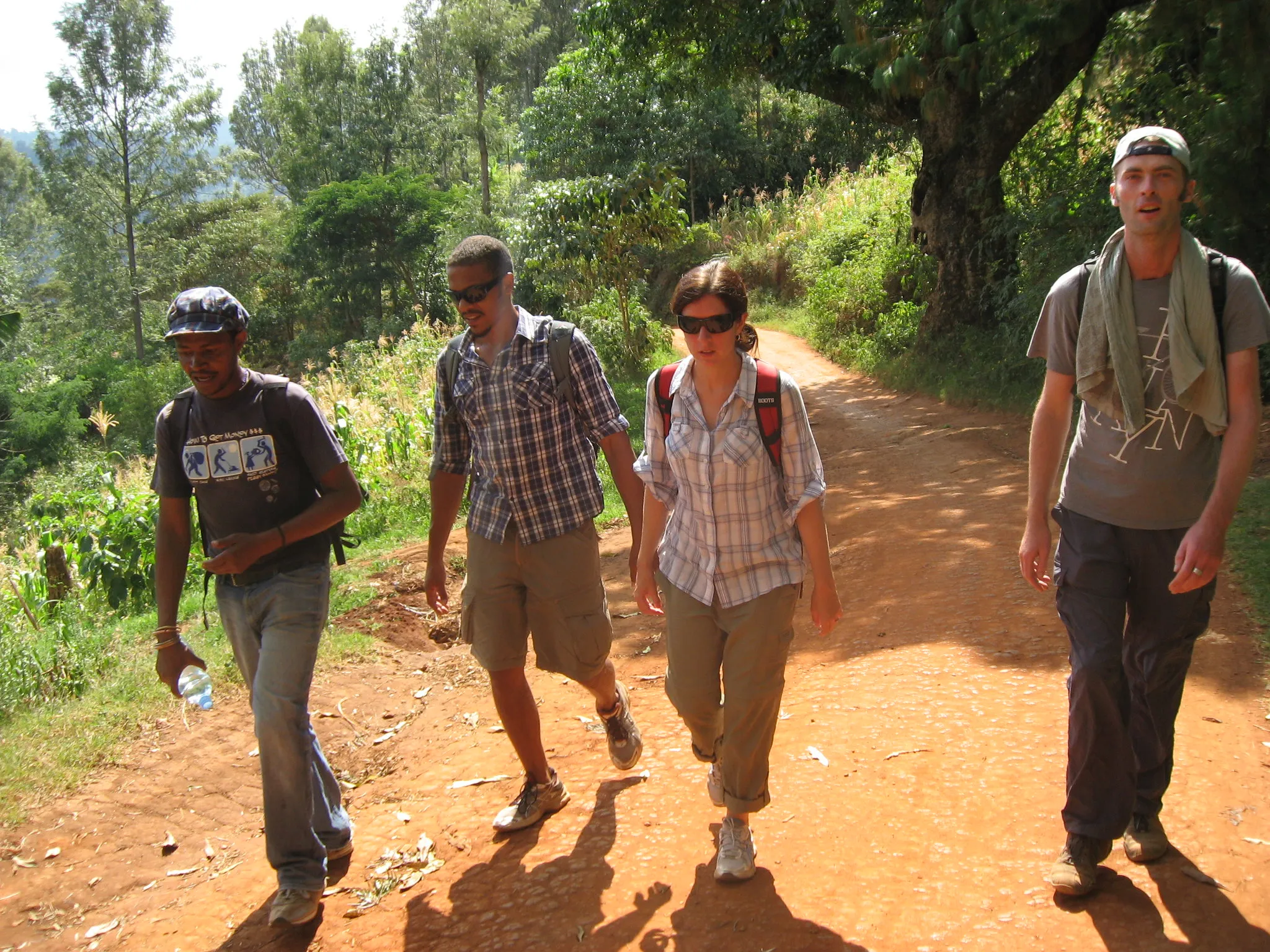
Lushoto is the starting point for most walks in the West Usambaras. Trails range from a couple of hours to multi-day routes with nights in village guesthouses along the way. This is not technical hiking — no altitude, no specialist gear. It is walking through one of the most quietly beautiful landscapes in East Africa.
Irente Viewpoint is the most visited short hike: a two-hour walk from Lushoto to the escarpment edge, where the mountain drops away and the Maasai Steppe spreads out below you. The scale is disorienting in the best way. Irente Farm at the viewpoint produces its own cheese, bread, and yoghurt — lunch here is one of the better meals you’ll eat in rural Tanzania.
The Magamba Forest, a remnant of old-growth cloud forest above Lushoto, is where the colobus monkeys are. Black-and-white, unhurried, moving through the canopy overhead. The forest itself is dense and cool, the trail running through it quiet enough that you hear everything.
For those with more time, multi-day routes link villages through the western range. Luggage transfer can be arranged between overnight stops — what the hiking world calls slack-packing. Two to four days on foot, staying with local families, is one of the more genuine travel experiences available in Tanzania.

The Wildlife
The Usambaras are not a game-viewing destination in the conventional sense. There are no lions, no elephant on the trails, no open plains. What they have is different and, for the right traveller, more interesting.
The bird list is exceptional. The Amani Nature Reserve in the East Usambaras holds species found nowhere else — the Usambara eagle-owl, the Usambara weaver, the Usambara akalat, the green-headed oriole. Over 400 species recorded across the range, many of them endemic to the Eastern Arc. For serious birders, a few days in Amani is not optional — it is the reason to come.
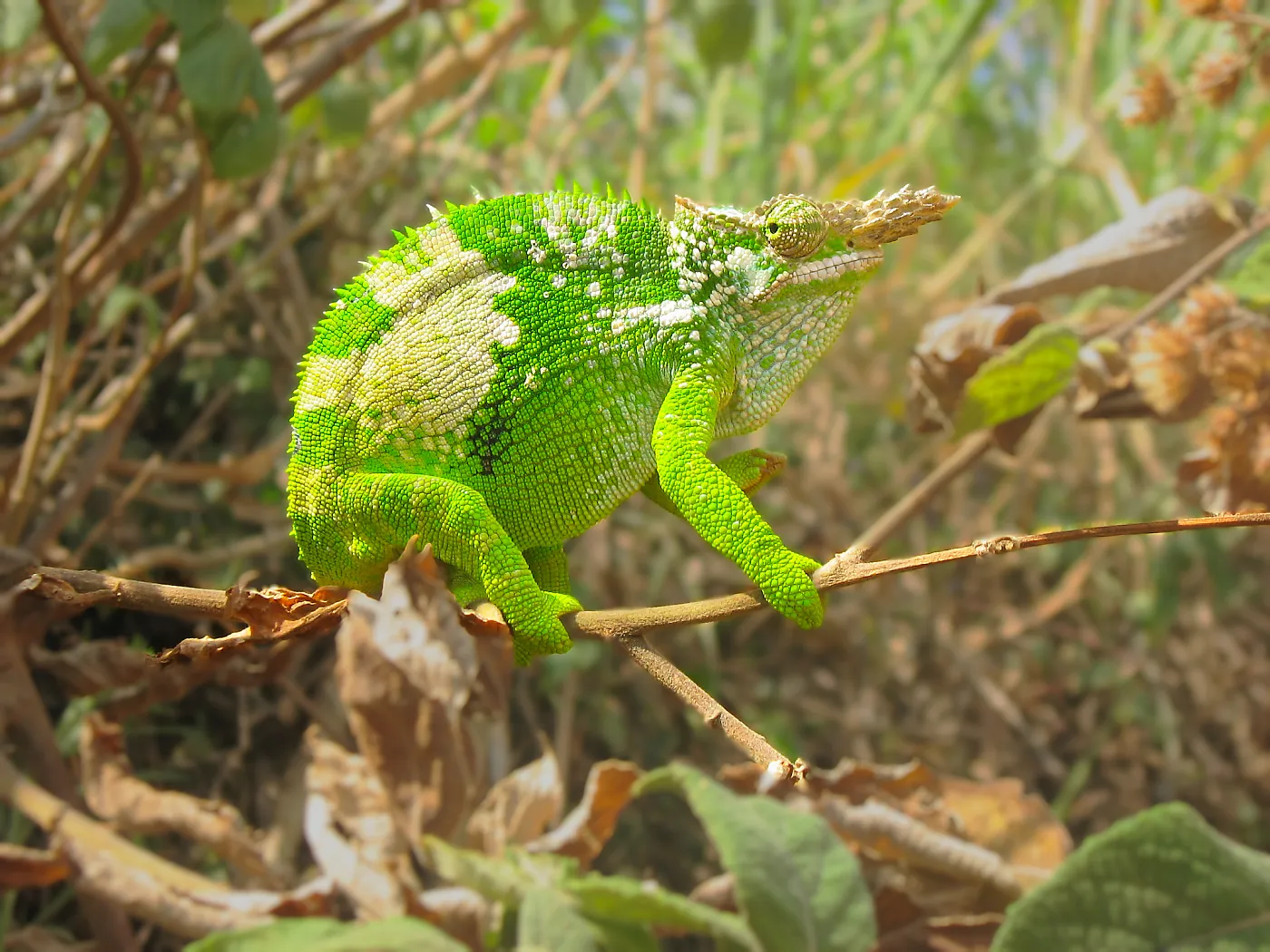
Primates are reliable in the forest sections. The Usambara red colobus, black-and-white colobus, and blue monkeys are all present. Bushbuck move through the forest edges at dawn and dusk. The herpetofauna — chameleons, geckos, frogs — is extraordinary if you look for it, the Usambaras being home to several chameleon species described by science only in the last few decades.
The Culture
The Shambaa people have lived in these mountains for centuries, farming the steep slopes with a precision that comes from generations of knowledge. The villages throughout the West Usambaras are working agricultural communities — vegetables, fruit, tea, cardamom — not tourism set-pieces.
Walking between villages with a local guide, stopping at a market, being invited into a homestead for tea — this is what slow travel in the Usambaras looks like. The German colonial period left architectural traces in Lushoto, a reminder that the Usambaras were favoured by the colonisers for the same reason visitors come today: the climate is bearable, the air is clear, and the landscape is beautiful.
Practical Notes
Lushoto sits at around 1,400 metres and stays cool year-round relative to the lowlands. The dry seasons — June to October and January to February — are the most reliable for hiking. The rains between March and May make trails muddy but the forest intensely green and the crowds, already thin, disappear entirely.
The drive from Arusha takes four to five hours. From Moshi, three to four. The Usambaras work well as a standalone destination or as an extension to a Mkomazi visit — the two are close enough to combine without backtracking.
No specialist equipment needed. Good walking shoes, a light rain layer, and a local guide arranged through a community tourism office in Lushoto.
As Part of a Tanzania Trip
The Usambaras sit outside the standard northern circuit and that is precisely their value. Most Tanzania itineraries look the same. The Usambaras offer something genuinely different — slower, greener, cooler, and almost entirely free of other tourists.
They combine naturally with Mkomazi National Park to the north and can form the basis of a compelling southern extension to any Kilimanjaro or Arusha-based trip. Three to four days is enough to do the hiking justice. A week allows you to go deeper into the East Usambaras and Amani.
Check out our 8-day Mkomazi & Usambara itinerary for a ready-made trip that combines the two.